
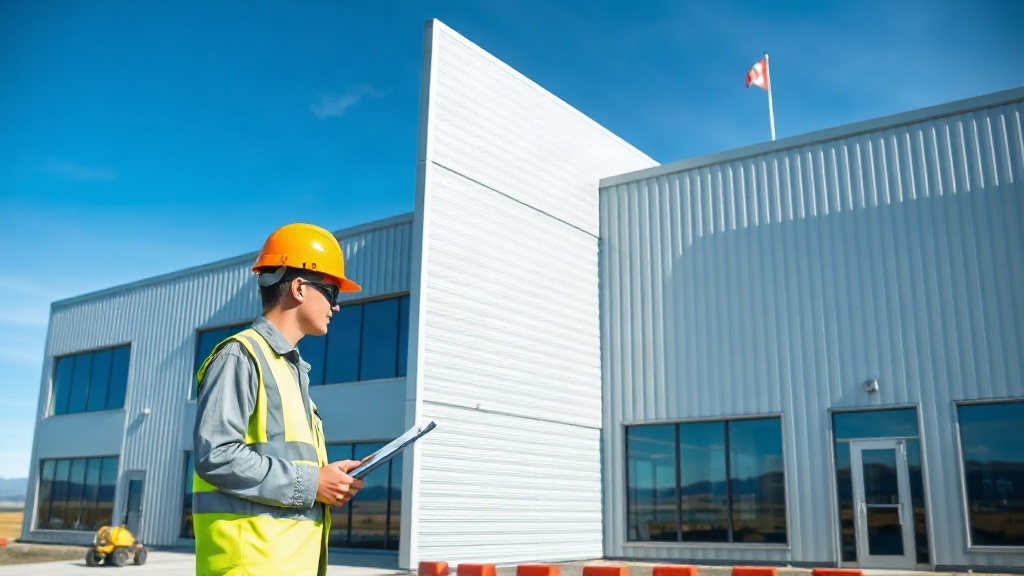
When you're planning a construction project in Canada, whether it's a commercial warehouse, an agricultural facility, or a modern home, the building envelope is critical. It must withstand extreme temperature swings, heavy snow loads, and driving rain. That's where Sandwich Panels Canada come into play. These prefabricated insulated panels are transforming how we build, offering superior thermal performance, rapid installation, and long-term durability. In this guide, we'll dive deep into what makes sandwich panels a smart choice for Canadian builders, the types available, and how to get the most out of your investment.
What Are Sandwich Panels?
A sandwich panel is a composite building material consisting of two outer skins bonded to a thick, lightweight core. The skins are typically made of metal (steel or aluminum), but can also be fiberglass, plywood, or other materials. The core provides insulation and structural rigidity. The combination creates a strong, lightweight panel that acts as both the exterior cladding and the insulation in one go. In Canada, these panels are often referred to as insulated metal panels (IMPs) or structural insulated panels (SIPs), depending on the core material and application.
Why Choose Sandwich Panels in Canada?
Canada's climate is famously harsh. From the biting cold of the Prairies to the humid summers of the Maritimes, your building needs to perform year-round. Sandwich panels excel in these conditions for several reasons:
- Exceptional thermal insulation: The continuous insulation core eliminates thermal bridging, reducing heating and cooling costs significantly. This is especially important with rising energy prices and stricter building codes.
- Fast installation: Panels arrive pre-cut and ready to assemble, cutting construction time by up to 50% compared to traditional stick-built methods. This saves on labor costs and gets your project operational sooner.
- Durability: The metal skins are resistant to moisture, mold, and pests. They won't rot, warp, or delaminate like some traditional materials. With proper installation, sandwich panels can last 50 years or more.
- Design flexibility: Available in a wide range of colors, profiles, and finishes, sandwich panels can achieve modern, sleek looks or blend with traditional architecture. They can be used for walls, roofs, and even floors.
- Sustainability: Many panels are made with recycled content and are fully recyclable at the end of their life. The energy savings also reduce your building's carbon footprint.
Types of Sandwich Panels Available in Canada
Not all sandwich panels are created equal. The core material largely determines the panel's performance characteristics, cost, and best use case. Here are the most common types you'll find in Canada:
Polyurethane (PUR) and Polyisocyanurate (PIR) Panels
These panels offer the highest R-value per inch of thickness, making them ideal for applications where space is tight or maximum insulation is needed. PIR panels have better fire performance than PUR and are often preferred for commercial and industrial buildings. They are lightweight and easy to handle, but can be more expensive than other options.
Expanded Polystyrene (EPS) Panels
EPS is the most budget-friendly core material. It provides good insulation but at a lower R-value per inch than PUR/PIR. EPS panels are commonly used in cold storage and agricultural buildings where cost is a primary concern. They are also recyclable and moisture-resistant.
Mineral Wool Panels
Mineral wool core panels are non-combustible and offer excellent fire resistance, making them a top choice for buildings that require high fire ratings, such as schools, hospitals, and high-occupancy commercial structures. They also provide good acoustic insulation. However, they are heavier and more expensive than foam-core panels.
Structural Insulated Panels (SIPs)
SIPs typically consist of an EPS or polyurethane core sandwiched between oriented strand board (OSB) or plywood. They are used primarily for residential and light commercial construction, providing a fast and energy-efficient building shell. SIPs are not suitable for exterior applications without additional cladding.
Applications of Sandwich Panels in Canada
The versatility of sandwich panels makes them suitable for a wide range of building types across Canada. Here are some common applications:
- Commercial and industrial buildings: Warehouses, factories, retail stores, and offices benefit from the speedy construction and low energy costs.
- Agricultural buildings: Barns, stables, and poultry houses use sandwich panels for their durability and insulation, which helps maintain stable indoor temperatures.
- Cold storage facilities: The high R-value of PUR/PIR panels makes them perfect for refrigerated warehouses and food processing plants.
- Residential homes: SIPs are increasingly used in custom homes for their energy efficiency and tight building envelope.
- Modular and portable buildings: Sandwich panels are ideal for prefabricated structures due to their lightweight and easy assembly.
How to Choose the Right Sandwich Panels for Your Project
Selecting the right panels involves balancing performance, budget, and project requirements. Consider these factors:
- Insulation needs: Determine the required R-value based on your local climate and building codes. Canadian building codes vary by province, so check with local authorities.
- Fire safety: If your building requires a fire rating, mineral wool panels are often the best choice. Check the panel's fire certification.
- Load-bearing capacity: Ensure the panels can support the loads they will experience, such as wind, snow, and roof traffic.
- Aesthetics: Choose a finish and color that matches your design vision. Panels come in smooth, ribbed, and textured profiles.
- Supplier reputation: Work with a reputable manufacturer or supplier who can provide technical support and warranties. For quality Sandwich Panels Canada, look for suppliers with experience in the Canadian market.
Installation Tips for Canadian Conditions
Proper installation is key to maximizing the performance and lifespan of sandwich panels. Here are some tips tailored to Canadian conditions:
- Seal all joints: Use high-quality sealants and gaskets to prevent air and moisture infiltration. This is critical in cold climates to avoid condensation and ice dams.
- Allow for thermal movement: Panels expand and contract with temperature changes. Follow the manufacturer's guidelines for fastening and spacing to accommodate movement.
- Snow load considerations: In snow-prone areas, ensure the roof panels and supporting structure are designed for the expected snow loads. Consult a structural engineer.
- Vapor barrier: In heating-dominated climates, place the vapor barrier on the warm side of the insulation to prevent moisture migration into the panels.
- Professional installation: While some DIYers may attempt installation, hiring experienced professionals ensures the job is done right and warranties remain valid.
Cost of Sandwich Panels in Canada
The cost of sandwich panels varies widely based on core material, thickness, finish, and order volume. As a rough guide, expect to pay between $15 and $40 per square foot for the panels themselves, not including installation. PUR/PIR panels are at the higher end, while EPS panels are more budget-friendly. Mineral wool panels are also premium priced. Keep in mind that while the upfront cost may be higher than some traditional materials, the savings in labor, energy, and maintenance often make sandwich panels more cost-effective over the life of the building.
Frequently Asked Questions About Sandwich Panels Canada
What is the R-value of sandwich panels?
The R-value depends on the core material and thickness. For example, a 4-inch PUR panel can have an R-value of around R-26, while a 4-inch EPS panel might be R-16. Mineral wool panels typically have an R-value of about R-4 per inch. Always check the manufacturer's data for specific values.
Can sandwich panels be used for both walls and roofs?
Yes, sandwich panels are available in wall and roof profiles. Roof panels often have additional features like ribs for drainage and improved load-bearing capacity. It's important to use the correct panel for each application.
Are sandwich panels suitable for cold climates like Canada?
Absolutely. Sandwich panels are widely used in cold climates due to their excellent insulation and moisture resistance. However, proper installation details, such as sealing and vapor barriers, are crucial to prevent condensation and ensure performance.
How long do sandwich panels last?
With proper installation and maintenance, sandwich panels can last 50 years or more. The metal skins are coated with protective finishes that resist corrosion, and the core materials are designed to be stable over time.
Do I need a professional to install sandwich panels?
While some experienced DIYers may be able to install sandwich panels, it's generally recommended to hire professionals. Improper installation can lead to performance issues, void warranties, and compromise safety. Certified installers have the tools and knowledge to handle the job efficiently.
Final Thoughts
Sandwich panels are a smart, efficient, and durable building solution for Canadian projects. Whether you're constructing a new facility or retrofitting an existing one, they offer a compelling combination of energy efficiency, speed, and design flexibility. By understanding the different types, applications, and installation requirements, you can make an informed decision that benefits your project for decades to come. For top-quality Sandwich Panels Canada, trust the experts who know the Canadian climate inside and out.