
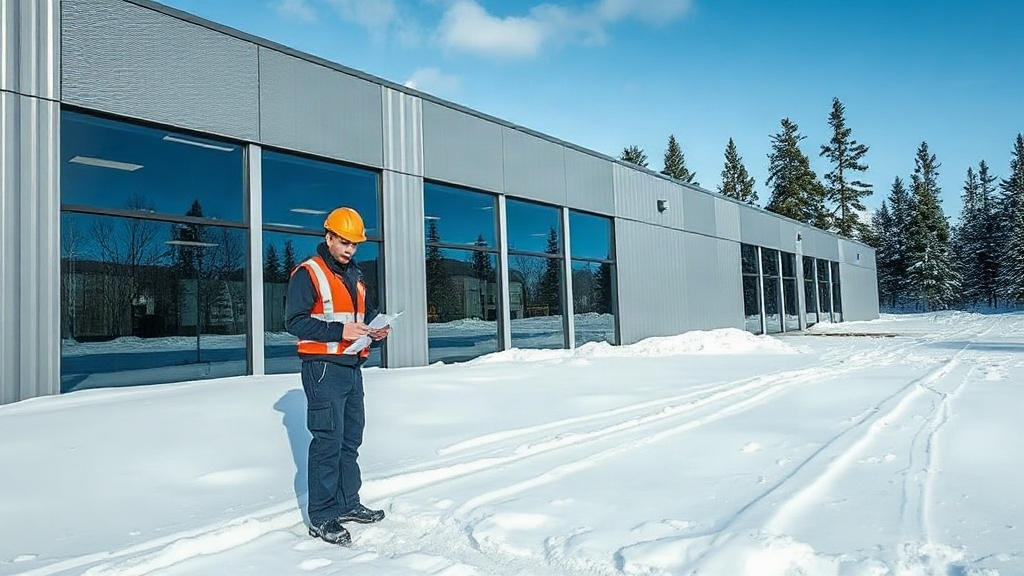
When you think of modern construction in Canada, you might picture steel beams and concrete, but there's a quiet revolution happening with Sandwich Panels Canada. These innovative building components are changing how we approach energy efficiency, speed, and sustainability in projects from coast to coast. If you're planning a build or retrofit, understanding sandwich panels could save you time, money, and energy in the long run.
What Are Sandwich Panels and Why Are They Gaining Popularity in Canada?
Sandwich panels, also known as insulated metal panels (IMPs), consist of two layers of rigid material—typically metal—bonded to a insulating core. This composite structure creates a strong, lightweight, and highly insulated building envelope. In Canada, where temperature extremes are the norm, these panels have become a go-to solution for architects, builders, and facility managers.
The popularity of Sandwich Panels Canada stems from their ability to deliver superior thermal performance without the bulk of traditional insulation methods. They're used in everything from cold storage warehouses to trendy office spaces, and even residential projects. As energy codes tighten and sustainability goals rise, sandwich panels offer a practical way to meet these demands head-on.
Key Benefits of Sandwich Panels for Canadian Climates
Canadian weather can be brutal—from the freezing prairies to the damp coasts. Sandwich panels are engineered to handle it all. Here’s why they’re a smart choice:
- Exceptional Insulation: The foam or mineral wool core provides high R-values, reducing heat loss in winter and heat gain in summer. This means lower energy bills and a smaller carbon footprint.
- Fast Installation: Panels arrive prefabricated, so on-site labor is minimized. A building envelope can be completed in a fraction of the time compared to traditional methods.
- Durability: The metal skins resist moisture, mold, and pests. They won't warp, crack, or degrade like some other materials.
- Design Flexibility: Available in a range of colors, profiles, and finishes, sandwich panels can be both functional and aesthetically pleasing.
- Sustainability: Many panels are made with recycled content and are fully recyclable at the end of their life, aligning with green building standards.
For Canadian projects, these benefits translate into real-world advantages. For instance, a cold storage facility in Manitoba can maintain sub-zero temperatures efficiently, while an office building in Vancouver can achieve LEED certification more easily.
Applications of Sandwich Panels Across Industries
Sandwich panels are versatile and can be found in a wide array of structures. Here are some common applications:
Commercial and Industrial Buildings
Warehouses, manufacturing plants, and retail spaces often use sandwich panels for their exterior walls and roofs. The panels provide a clean, modern look and can be installed quickly, reducing downtime.
Cold Storage and Food Processing
In facilities where temperature control is critical, sandwich panels with polyurethane cores are the industry standard. They prevent thermal bridging and maintain hygiene standards.
Residential and Modular Homes
Increasingly, homeowners are turning to sandwich panels for energy-efficient homes. They're particularly popular in remote areas where traditional construction is challenging.
Agricultural Buildings
Barns, stables, and storage sheds benefit from the durability and insulation of sandwich panels, protecting livestock and equipment from harsh weather.
How to Choose the Right Sandwich Panels for Your Project
Not all sandwich panels are created equal. Selecting the right ones involves considering several factors:
- Insulation Core Material: Polyurethane (PUR) and polyisocyanurate (PIR) offer high R-values per inch, while mineral wool provides excellent fire resistance. Choose based on your climate and building codes.
- Thickness: Panel thickness affects insulation performance. Thicker panels are better for colder regions, but they also weigh more and cost more.
- Facing Material: Steel is common, but aluminum or stainless steel may be used for corrosive environments. Consider the coating as well for added protection.
- Fire Rating: Ensure the panels meet Canada's National Building Code fire safety requirements. Mineral wool cores are often preferred for high-risk areas.
- Supplier Reputation: Work with a trusted manufacturer like Sandwich Panels Canada to ensure quality and warranty support.
It's also wise to consult with a structural engineer to confirm load-bearing capacity and installation details. A professional can help you avoid costly mistakes.
Installation Tips for Canadian Conditions
Installing sandwich panels in Canada requires attention to detail, especially in winter. Here are some best practices:
- Store panels in a dry, covered area before installation to prevent moisture ingress.
- Use proper lifting equipment to avoid damaging the panels.
- Seal all joints with high-quality sealants to prevent air leakage.
- Install panels when temperatures are above -10°C if possible, as some sealants don't cure well in extreme cold.
- Follow manufacturer guidelines for fastening and thermal expansion.
Hiring experienced installers familiar with Sandwich Panels Canada can make a significant difference in the final performance of your building envelope.
Cost Considerations: Are Sandwich Panels Worth It?
Upfront, sandwich panels may seem pricier than traditional insulation and cladding. However, when you factor in reduced labor, faster construction, and long-term energy savings, they often prove more cost-effective. For example, a warehouse in Alberta might see a 20-30% reduction in heating costs compared to a conventionally built structure. Additionally, many Canadian provinces offer incentives for energy-efficient buildings, which can offset initial costs.
Maintenance is minimal, too. The metal surface can be cleaned with soap and water, and touch-ups are easy. Over a 30-year lifespan, the total cost of ownership is typically lower than alternative systems.
Frequently Asked Questions About Sandwich Panels in Canada
How do sandwich panels perform in extreme cold?
They excel in cold climates. The insulating core maintains its thermal properties even at -40°C, and the metal skins resist embrittlement. Proper installation is key to preventing thermal bridging.
Can sandwich panels be used for both walls and roofs?
Yes, there are specific panels designed for roof applications that include additional weatherproofing and load-bearing capabilities. Always specify the intended use when ordering.
What is the typical lifespan of sandwich panels?
With proper maintenance, sandwich panels can last 30-50 years or more. The metal facings are often warrantied for 20-30 years, and the insulation core does not degrade significantly over time.
Are sandwich panels environmentally friendly?
They contribute to sustainability through energy efficiency and recyclability. Many manufacturers use recycled steel and eco-friendly foams. Check for panels with low global warming potential (GWP) blowing agents.
How do I find a reliable sandwich panel supplier in Canada?
Look for suppliers with a proven track record, positive customer reviews, and certifications like ISO 9001. Sandwich Panels Canada is a reputable source with a wide range of options and expert support.
In summary, sandwich panels are a game-changer for Canadian construction. Whether you're building a new facility or upgrading an existing one, they offer a blend of performance, speed, and sustainability that's hard to beat. By understanding your options and working with experienced professionals, you can harness the full potential of Sandwich Panels Canada for your next project.