
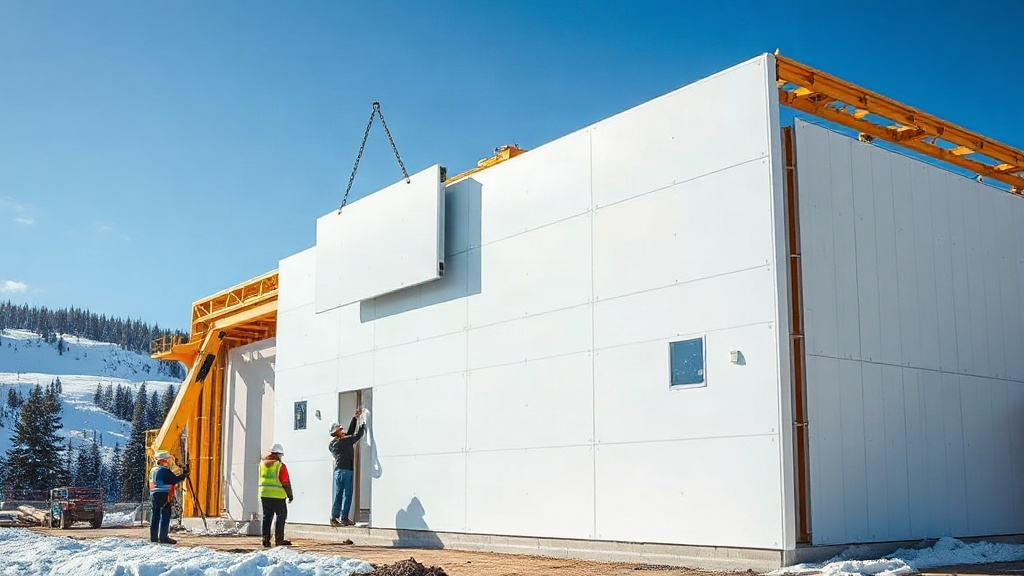
When you're constructing a building in Canada, the weather is never far from your mind. From the biting cold of a Manitoba winter to the damp coastal winds of British Columbia, your envelope has to perform. That's why more contractors and developers are turning to Sandwich Panels Canada as a cornerstone of modern construction. These prefabricated insulated panels offer a combination of thermal efficiency, speed, and durability that traditional stick-built walls struggle to match. In this guide, I'll share what I've learned from years of working with these systems on Canadian job sites, so you can make informed decisions for your next project.
What Are Sandwich Panels and Why They Matter in Canada
A sandwich panel is a composite building element made of two rigid outer skins bonded to a lightweight insulating core. The skins are typically made of steel, aluminum, or sometimes fiberglass, while the core can be polyurethane (PUR), polyisocyanurate (PIR), expanded polystyrene (EPS), or mineral wool. This construction creates a strong, lightweight panel that provides structure, insulation, and weather resistance in one package. In Canada, where energy codes are stringent and climate extremes are the norm, these panels are a smart choice for walls and roofs.
The Canadian building landscape demands materials that can handle temperature swings from -40°C to +35°C, plus wind, snow, and rain. Sandwich Panels Canada are engineered for exactly these conditions. They offer continuous insulation, which minimizes thermal bridging, a common weakness in traditional framed walls. That means lower heating and cooling costs, fewer drafts, and a more comfortable indoor environment.
Key Benefits of Using Sandwich Panels in Canadian Construction
Why should you consider sandwich panels for your next project? Let's break down the advantages.
1. Superior Thermal Performance
The insulating core of a sandwich panel provides an R-value that often exceeds that of conventional batt insulation. For example, a 100 mm PIR core can deliver an R-value of around R-14, while thicker panels can reach R-30 or more. Because the insulation is continuous, there are no gaps for air to leak through. This is critical in Canada, where space heating accounts for a significant portion of energy use. By choosing Sandwich Panels Canada, you can meet or exceed the National Energy Code for Buildings (NECB) with ease.
2. Fast Installation and Reduced Labor Costs
Time is money on any construction site. Sandwich panels arrive pre-cut and ready to install, often with concealed fixing systems that speed up assembly. A crew can cover large wall areas in a fraction of the time it takes to frame, insulate, and sheath a traditional wall. This can translate into significant savings on labor and project timelines. I've seen projects where the building envelope was completed weeks ahead of schedule thanks to these panels.
3. Durability and Weather Resistance
Canadian weather is tough on buildings. Sandwich panels with steel skins and high-density cores resist moisture, mold, and rot. They don't warp or delaminate when properly installed. Many panels come with factory-applied coatings that provide additional protection against UV radiation, corrosion, and scratches. This makes them ideal for agricultural buildings, cold storage facilities, and even residential homes in exposed locations.
4. Design Flexibility and Aesthetics
Gone are the days when insulated panels looked utilitarian. Today's Sandwich Panels Canada are available in a range of profiles, colors, and finishes. You can choose from smooth, ribbed, or micro-ribbed surfaces, and match them to your architectural vision. They can be used for walls, roofs, and even interior partitions. With the right design, they can create a sleek, modern look that stands out.
5. Sustainability and Energy Efficiency
Energy efficiency is not just about comfort; it's about reducing your carbon footprint. Sandwich panels help lower energy consumption for heating and cooling, which reduces greenhouse gas emissions. Many panels are made with recycled content and are themselves recyclable at the end of their life. For projects aiming for LEED or other green building certifications, sandwich panels can contribute valuable points.
How to Choose the Right Sandwich Panels for Your Canadian Project
Not all sandwich panels are created equal. Selecting the right one depends on your specific needs. Here are the key factors to consider.
Core Material
The core determines the panel's insulation value, fire performance, and weight. Polyurethane (PUR) and polyisocyanurate (PIR) offer high R-values and good fire resistance. PIR is often preferred for its improved fire performance at high temperatures. Expanded polystyrene (EPS) is lighter and less expensive but has lower R-value per inch and is more flammable. Mineral wool provides excellent fire resistance and sound insulation but is heavier and more expensive. For most Canadian commercial and industrial projects, PIR is a solid choice.
Thickness and R-Value
Panel thickness typically ranges from 50 mm to 200 mm. The thicker the panel, the higher the R-value. For Canadian climates, you'll want to aim for an R-value that meets or exceeds local building codes. In colder regions like the Prairies, thicker panels (150 mm or more) are common. In milder coastal areas, 100 mm may suffice. Always check with your local building authority for minimum requirements.
Skin Material and Coating
The skins are usually steel, but aluminum and stainless steel are options for corrosive environments. The coating on the steel is crucial for longevity. Polyester coatings are standard, but PVDF (Kynar 500) coatings offer superior color retention and chalk resistance. For coastal projects, consider a higher-grade coating to resist salt spray.
Fire Ratings
Fire safety is paramount. Look for panels that have been tested to CAN/ULC S102 or ASTM E84 standards. Mineral wool cores typically achieve the highest fire ratings (non-combustible), while PIR cores have a Class A rating. Ensure the panels meet the National Building Code of Canada (NBCC) requirements for your building type.
Supplier Reputation and Support
Choose a supplier with a proven track record in Canada. They should provide technical support, installation guides, and warranties. A good supplier will help you navigate local codes and ensure your panels are delivered on time. Sandwich Panels Canada from reputable manufacturers are backed by years of performance data.
Installation Tips for Sandwich Panels in Canadian Climates
Proper installation is key to maximizing the benefits of sandwich panels. Here are some practical tips from my experience.
- Plan for thermal movement: Panels expand and contract with temperature changes. Use appropriate fasteners and allow for movement at joints.
- Seal joints carefully: Use high-quality sealants and gaskets to prevent air and water infiltration. This is especially important in windy areas.
- Handle with care: Avoid damaging the panels during unloading and lifting. Use proper lifting equipment and protect the surfaces.
- Follow manufacturer instructions: Each panel system has specific installation requirements. Don't cut corners.
- Consider condensation control: In cold climates, vapor barriers and ventilation may be needed to prevent condensation within the panel. Consult a building scientist if unsure.
When installing Sandwich Panels Canada, always work with experienced installers. A poor installation can lead to performance issues and void warranties.
Common Applications of Sandwich Panels in Canada
Sandwich panels are versatile and used across many sectors.
- Commercial buildings: Offices, retail stores, and warehouses benefit from fast construction and energy savings.
- Industrial facilities: Factories and manufacturing plants use panels for their durability and fire performance.
- Agricultural buildings: Barns, poultry houses, and storage sheds need moisture resistance and insulation.
- Cold storage: Refrigerated warehouses and food processing plants rely on panels for precise temperature control.
- Residential: Increasingly, homeowners use sandwich panels for additions, garages, and even entire homes, especially in remote areas.
Each application may have specific requirements, so consult with a supplier to choose the right panel for your project.
Frequently Asked Questions About Sandwich Panels Canada
Are sandwich panels suitable for Canadian winters?
Absolutely. Sandwich panels are designed to perform in extreme cold. The continuous insulation prevents heat loss and minimizes thermal bridging. However, proper installation and detailing are crucial to prevent condensation and ensure long-term performance. Choose panels with high R-values and consider additional measures like vapor barriers in very cold climates.
How do sandwich panels compare to traditional insulated walls in terms of cost?
While the upfront material cost of sandwich panels may be higher than traditional batt insulation and framing, the total installed cost can be lower due to reduced labor and faster construction. Additionally, the energy savings over the life of the building can offset the initial investment. For many projects, sandwich panels offer a better return on investment.
Can sandwich panels be used for both walls and roofs?
Yes, there are specific panels designed for roof applications. Roof panels often have additional features like thicker cores and enhanced weather sealing. They are engineered to handle snow loads and water drainage. Always specify roof panels for roof installations to ensure performance and warranty compliance.
What is the fire performance of sandwich panels?
Fire performance varies by core material. Mineral wool cores are non-combustible and offer the highest fire resistance. PIR cores have a Class A fire rating and are suitable for many applications. EPS cores are more flammable and may require additional fire protection. Always check local fire codes and choose panels that meet the required standards for your building type.
How do I maintain sandwich panels?
Sandwich panels are low maintenance. Regular cleaning with mild soap and water is usually sufficient. Inspect seals and fasteners annually and repair any damage promptly. Avoid abrasive cleaners that can scratch the coating. With proper care, sandwich panels can last 30 years or more.
Final Thoughts
Building in Canada comes with unique challenges, but Sandwich Panels Canada offer a solution that addresses them head-on. From their exceptional insulation to their rapid installation, these panels are a smart investment for any project. Whether you're constructing a warehouse, a cold storage facility, or a modern home, consider sandwich panels for a building envelope that performs as well as it looks. As always, work with reputable suppliers and experienced installers to get the most out of your investment.