
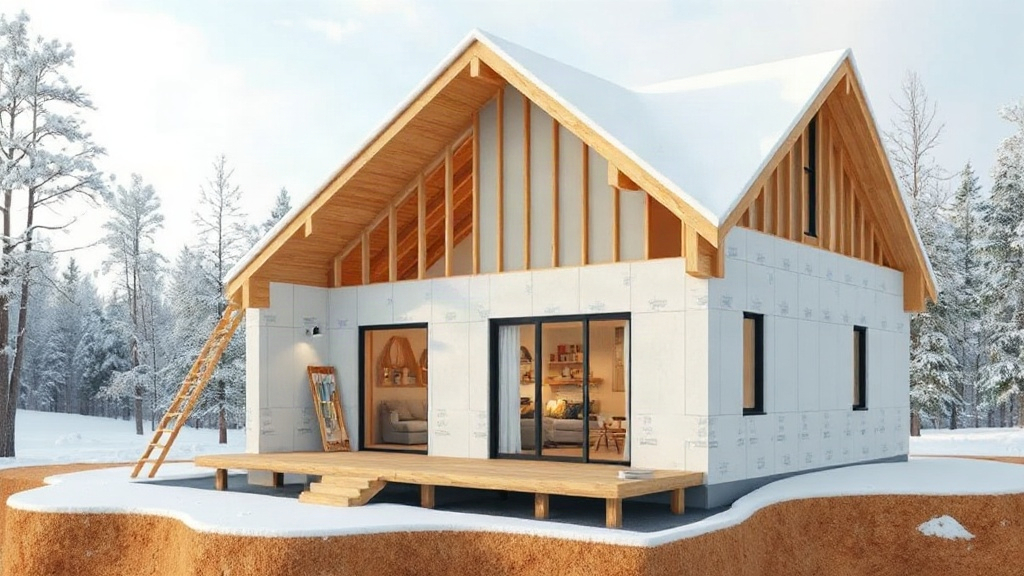
When winter winds howl and temperatures plummet, the right insulation can make all the difference. For Canadian builders and homeowners, EPS insulation has emerged as a reliable, cost-effective solution that stands up to the harshest conditions. Unlike many other materials, EPS (expanded polystyrene) delivers consistent thermal performance without breaking the bank. In this article, we'll explore why EPS insulation is particularly well-suited for cold climates, how it compares to alternatives, and what you need to know to make an informed decision for your next project.
What Makes EPS Insulation Ideal for Cold Climates?
EPS insulation is a rigid foam board made from expanded polystyrene beads. Its closed-cell structure traps air, creating a barrier that resists heat transfer. In cold climates, this means your building retains warmth more effectively, reducing heating costs and improving comfort. But what sets EPS apart from other insulation types?
First, EPS maintains its thermal resistance even in low temperatures. Some materials lose efficiency when the mercury drops, but EPS remains stable. Second, it's moisture-resistant, which is crucial in regions with snow and freeze-thaw cycles. Moisture can degrade insulation performance, but EPS's closed-cell composition prevents water absorption, keeping its R-value consistent over time.
Moreover, EPS is lightweight and easy to install, making it a favorite among contractors. It can be cut to fit around obstructions, ensuring a tight building envelope. For Canadian projects, where energy codes are stringent, EPS helps meet and exceed requirements without adding significant cost.
Thermal Performance That Withstands the Chill
The R-value of EPS insulation typically ranges from R-3.6 to R-4.2 per inch, depending on density. While this might seem lower than some high-performance materials like polyisocyanurate, EPS offers a cost-effective balance. In cold climates, the key is achieving adequate thickness. Many Canadian builders use thicker EPS boards to hit target R-values, such as R-20 or higher for walls. Because EPS is affordable, you can add more layers without blowing your budget.
Additionally, EPS's performance doesn't degrade over time. Unlike some insulations that settle or lose R-value due to moisture, EPS remains stable for decades. This longevity is essential in cold climates where re-insulation is costly and disruptive.
Moisture Resistance: A Critical Factor in Snowy Regions
In Canada, snow and ice can lead to moisture accumulation within building assemblies. If insulation absorbs water, its thermal performance plummets, and mold growth becomes a risk. EPS insulation is inherently resistant to moisture due to its closed-cell structure. It doesn't wick water, so it stays dry and effective even in damp conditions.
For areas prone to high humidity or driving rain, EPS can be combined with proper drainage planes and vapor barriers to create a robust system. This makes it a smart choice for basements, crawl spaces, and exterior walls in cold, wet climates.
EPS Insulation vs. Other Insulation Types
How does EPS stack up against other common insulation materials in cold climates? Let's compare.
- XPS (Extruded Polystyrene): XPS has a slightly higher R-value per inch (around R-5) and better moisture resistance, but it's more expensive and has higher environmental impact due to blowing agents. EPS is a more budget-friendly option with comparable performance when thickness is increased.
- Polyisocyanurate: Polyiso offers high R-values (up to R-6.5 per inch) but can lose performance in cold temperatures. EPS maintains its R-value consistently, making it more reliable in freezing conditions.
- Fiberglass: Fiberglass batts are cheap but require careful installation to avoid gaps and can be compromised by moisture. EPS provides a continuous insulation layer that reduces thermal bridging.
- Spray Foam: Spray foam excels at air sealing and has high R-values, but it's significantly more expensive and requires professional application. EPS is a cost-effective alternative for those on a budget.
For Canadian projects, EPS often strikes the best balance between performance, cost, and ease of use.
Applications of EPS Insulation in Canadian Construction
EPS insulation is versatile and can be used in various parts of a building. Here are some common applications:
- Exterior Walls: EPS rigid boards are often used as continuous insulation outside the framing, reducing thermal bridging and improving overall wall R-value.
- Roofs: For flat or low-slope roofs, EPS provides a lightweight, moisture-resistant insulation layer. When combined with insulated roof panels, it enhances energy efficiency.
- Foundations: EPS boards protect foundation walls and slabs from frost penetration, preventing heat loss and structural damage.
- Under Slabs: EPS is ideal for under-slab insulation, keeping floors warm and reducing energy costs.
In addition, EPS is frequently used in sandwich panels canada for walls and roofs. These prefabricated panels consist of an insulating core (often EPS) bonded between two rigid facings. They offer excellent insulation, quick installation, and a uniform finish, making them popular for commercial and industrial buildings.
Environmental and Economic Benefits
EPS insulation is not only effective but also environmentally responsible. It is recyclable and often made with recycled content. Its lightweight nature reduces transportation emissions. From an economic standpoint, EPS is one of the most affordable insulation options, helping you save on upfront costs and long-term energy bills.
In cold climates, where heating demands are high, the energy savings from proper insulation can be substantial. By choosing EPS, you can achieve a comfortable indoor environment without overburdening your budget.
Installation Tips for Cold Climates
To maximize EPS performance in cold weather, follow these best practices:
- Ensure Proper Thickness: Calculate the required R-value for your climate zone and choose EPS thickness accordingly. In colder regions, thicker is better.
- Seal Gaps: Use tape or foam sealant to fill gaps between boards. Even small gaps can compromise insulation.
- Install a Vapor Barrier: In cold climates, a vapor barrier on the warm side of the insulation prevents moisture migration into the assembly.
- Protect from UV Exposure: EPS can degrade with prolonged sun exposure. Cover it with siding, roofing, or a protective coating.
- Follow Local Codes: Canadian building codes vary by province. Consult a professional to ensure compliance.
By paying attention to these details, you can ensure your EPS insulation performs optimally for years.
Frequently Asked Questions About EPS Insulation
Is EPS insulation effective in extreme cold?
Yes, EPS insulation maintains its thermal resistance in cold temperatures, unlike some other materials that lose R-value. It remains effective even in extreme cold, provided it is installed correctly with adequate thickness.
How does EPS compare to XPS for cold climates?
XPS has a slightly higher R-value per inch and better moisture resistance, but EPS is more affordable and performs well when thicker. For most cold climate applications, EPS offers a better cost-to-performance ratio.
Can EPS insulation be used in basements?
Absolutely. EPS is ideal for basement walls and under slabs due to its moisture resistance and compressive strength. It helps prevent heat loss and keeps basements dry.
What is the R-value of EPS insulation?
EPS typically has an R-value of R-3.6 to R-4.2 per inch, depending on density. Higher density EPS provides greater R-value.
Is EPS insulation environmentally friendly?
EPS is recyclable and can be made with recycled content. It is also free of ozone-depleting chemicals, making it a more environmentally responsible choice compared to some alternatives.
When you're planning your next construction project in Canada, consider EPS insulation for its proven performance in cold climates. Whether you're building a new home or retrofitting an existing structure, EPS offers a reliable, cost-effective solution that will keep you comfortable all winter long. And if you're looking for prefabricated options, explore sandwich panels canada and insulated roof panels to integrate EPS seamlessly into your design.