
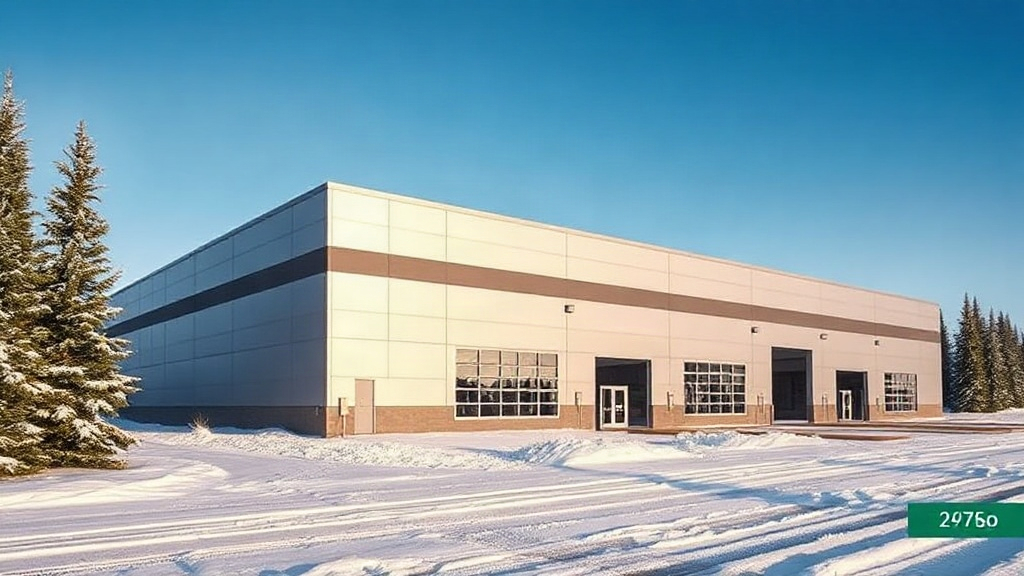
In the Canadian construction landscape, where temperature swings from scorching summers to bone-chilling winters, builders and homeowners are constantly seeking efficient, durable, and cost-effective building solutions. Enter Sandwich Panels Canada, a versatile building material that has rapidly gained traction across the country. Whether you're constructing a warehouse in Toronto, a cold storage facility in Vancouver, or a modern home in Montreal, sandwich panels offer unmatched thermal performance and structural integrity. This guide dives deep into what makes these panels a game-changer for Canadian projects, from their composition to installation best practices.
What Are Sandwich Panels?
At their core, sandwich panels are composite building elements made of two rigid outer skins bonded to a lightweight insulating core. The outer layers are typically made of metal (such as galvanized steel or aluminum), while the core can be polyurethane (PUR), polyisocyanurate (PIR), expanded polystyrene (EPS), or mineral wool. This combination creates a strong, lightweight panel that delivers excellent insulation and structural strength. In Canada, where energy efficiency is paramount, Sandwich Panels Canada have become a go-to choice for architects, engineers, and contractors.
Why Choose Sandwich Panels in Canada?
Canada's diverse climate demands building materials that can withstand extreme conditions. Sandwich panels excel in this regard, offering a range of benefits that make them ideal for Canadian construction projects.
Superior Thermal Insulation
One of the primary reasons for the popularity of Sandwich Panels Canada is their exceptional insulation properties. The insulating core significantly reduces heat transfer, keeping interiors warm in winter and cool in summer. This translates to lower energy bills and a smaller carbon footprint. For example, a 100mm PIR sandwich panel can achieve an R-value of around R-20, far surpassing traditional insulation methods of similar thickness.
Fast and Efficient Installation
Time is money in construction, and sandwich panels are designed for speed. Their lightweight nature and interlocking joint system allow for rapid assembly, often reducing construction time by up to 50% compared to traditional building methods. This is particularly beneficial in Canada's short construction season, where delays can be costly.
Durability and Weather Resistance
Canadian weather can be harsh, with heavy snow, strong winds, and freeze-thaw cycles. Sandwich panels are engineered to withstand these conditions. The metal skins are coated with protective finishes (like PVDF or polyester) that resist corrosion, fading, and impact. The tight joints also prevent water infiltration and air leakage, ensuring a weather-tight building envelope.
Versatility in Design
Sandwich panels are not just for industrial buildings. They come in a variety of colors, profiles, and finishes, making them suitable for architectural applications. From sleek corporate offices to rustic agricultural buildings, Sandwich Panels Canada can be customized to meet aesthetic demands while providing functional benefits.
Applications of Sandwich Panels Across Canada
The versatility of sandwich panels means they are used in a wide array of construction projects throughout Canada. Here are some common applications:
- Industrial Facilities: Warehouses, manufacturing plants, and distribution centers benefit from the quick installation and energy efficiency of sandwich panels.
- Cold Storage: The superior insulation of PIR and PUR panels makes them ideal for refrigerated warehouses and food processing plants, where temperature control is critical.
- Commercial Buildings: Retail stores, offices, and restaurants use sandwich panels for their modern look and thermal performance.
- Agricultural Buildings: Barns, poultry houses, and storage sheds utilize sandwich panels for their durability and ease of cleaning.
- Residential Construction: Increasingly, homeowners are using sandwich panels for garage doors, sunrooms, and even entire homes, especially in remote areas where traditional materials are costly to transport.
Case Study: Cold Storage in Alberta
A recent cold storage project in Alberta utilized PIR sandwich panels to maintain a constant temperature of -25°C. The panels not only provided the necessary insulation but also allowed for rapid construction, enabling the facility to become operational months ahead of schedule. The project manager noted that Sandwich Panels Canada were instrumental in achieving energy efficiency targets and reducing long-term operational costs.
How to Choose the Right Sandwich Panels for Your Canadian Project
Selecting the appropriate sandwich panels involves considering several factors to ensure optimal performance and compliance with Canadian building codes.
1. Insulation Core Material
The core material determines the panel's thermal performance, fire resistance, and cost. Here's a quick comparison:
- PUR/PIR: Highest R-value per inch, excellent for cold storage and energy-efficient buildings. PIR offers better fire performance than PUR.
- EPS: Cost-effective, good insulation, but lower fire resistance. Suitable for temporary structures or moderate climates.
- Mineral Wool: Non-combustible, excellent fire resistance, and soundproofing. Ideal for high-risk areas and where fire codes are strict.
2. Panel Thickness
Thickness affects insulation and structural strength. Common thicknesses range from 50mm to 200mm. For Canadian winters, 100mm or more is often recommended for walls, while roofs may require thicker panels for snow load support.
3. Coating and Finish
The outer skin's coating impacts durability and appearance. PVDF coatings offer superior color retention and corrosion resistance, while polyester is a more budget-friendly option. Consider the environment: coastal areas need higher corrosion resistance due to salt spray.
4. Compliance with Canadian Codes
Ensure the panels meet local building codes, including the National Building Code of Canada (NBCC) and provincial regulations. Look for panels with appropriate fire ratings (e.g., CAN/ULC-S101) and structural certifications.
5. Supplier Reputation
Choose a reputable supplier like Sandwich Panels Canada that offers technical support, warranties, and a track record of successful projects. A reliable supplier can guide you through selection and installation.
Installation Tips for Sandwich Panels in Canada
Proper installation is key to maximizing the benefits of sandwich panels. Here are some best practices:
- Pre-Construction Planning: Review shop drawings and ensure all penetrations (windows, doors, vents) are accounted for. Order panels cut to size to minimize on-site modifications.
- Handling and Storage: Store panels on a flat, elevated surface to prevent warping. Use lifting equipment with spreader bars to avoid damage.
- Installation Sequence: Start from a corner and work outward. Ensure panels are interlocked correctly and fasten them according to the manufacturer's specifications. Use self-drilling screws with EPDM washers for weather-tight seals.
- Sealing and Finishing: Apply sealant at joints and around openings to prevent air and water infiltration. Install flashings and trims for a finished look and added protection.
- Safety: Follow all safety protocols, especially when working at heights. Use fall protection and ensure proper training for installers.
Frequently Asked Questions About Sandwich Panels Canada
How do sandwich panels perform in Canadian winters?
Sandwich panels are designed to handle extreme cold. The insulating core prevents thermal bridging, and the metal skins resist freeze-thaw damage. With proper installation, they maintain their performance even at -40°C.
Are sandwich panels energy-efficient for Canadian homes?
Yes, they are among the most energy-efficient building materials available. Their high R-values reduce heating and cooling loads, leading to significant energy savings. Many Canadian homeowners use them for additions, garages, and even full home construction.
What is the lifespan of sandwich panels in Canada?
With proper maintenance, sandwich panels can last 30 to 50 years or more. The metal skins are coated to resist corrosion, and the insulation core does not degrade over time. Regular inspections and minor repairs can extend their life further.
Can sandwich panels be used for both walls and roofs?
Absolutely. Sandwich panels are available in wall and roof profiles. Roof panels are designed with additional structural strength to handle snow loads, which is crucial in Canada.
How do sandwich panels compare to traditional insulation methods?
Sandwich panels offer superior insulation in a thinner profile, faster installation, and better airtightness. Traditional methods like fiberglass batts require additional framing and labor, often resulting in lower performance and higher costs.
For Canadian builders and homeowners, Sandwich Panels Canada represent a smart investment in energy efficiency, durability, and speed. By understanding your project's needs and choosing the right panels, you can achieve a high-performance building envelope that stands up to Canada's toughest weather. Ready to get started? Contact a trusted supplier today for a consultation and quote.