
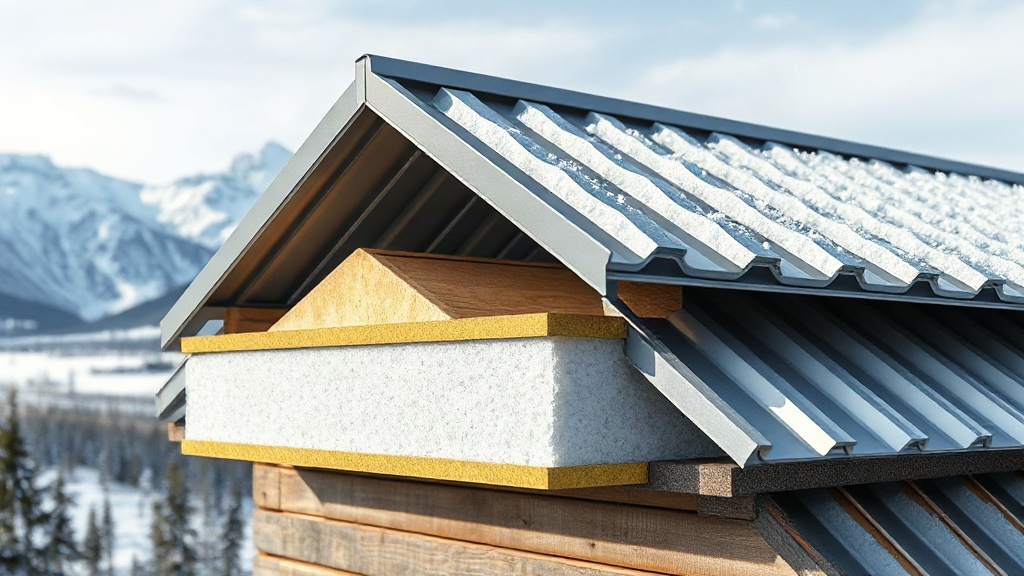
When you're planning a metal roof for your home or commercial building, the insulation you choose can make or break your comfort and energy bills. EPS insulation has become a go-to solution for many Canadian builders and homeowners, and for good reason. Its unique combination of affordability, thermal performance, and moisture resistance makes it a standout option, especially when integrated into modern building systems like sandwich panels Canada and insulated roof panels. In this article, we'll dive deep into what makes EPS insulation tick, how it performs under metal roofing, and practical tips to get the most out of your investment.
What Is EPS Insulation and Why Does It Matter for Metal Roofs?
EPS, or expanded polystyrene, is a rigid foam insulation made from polystyrene beads that are expanded and molded into blocks or sheets. It's lightweight, cost-effective, and boasts a consistent R-value per inch, typically around R-4 per inch. For metal roofs, which are excellent conductors of heat and cold, adding a layer of EPS insulation is critical to prevent thermal bridging and energy loss.
Unlike some other insulation types, EPS doesn't absorb water, so it maintains its thermal performance even in damp conditions. This is a game-changer for Canadian climates where rain, snow, and temperature swings are the norm. When you pair EPS with metal roofing, you're essentially creating a barrier that keeps your indoor temperature stable while reducing the load on your HVAC system.
The Science Behind EPS Performance
EPS insulation works by trapping air within its closed-cell structure. The millions of tiny air pockets resist heat flow, slowing down the transfer of thermal energy. This is why a relatively thin layer of EPS can deliver impressive R-values. For example, a 2-inch thick EPS panel provides about R-8, which can significantly cut heat loss through your roof.
Moreover, EPS is chemically inert and doesn't off-gas, making it a safe choice for indoor air quality. It's also resistant to mold and mildew, which is a common concern in areas with high humidity.
Why EPS Insulation Shines in Sandwich Panels Canada
Sandwich panels Canada have gained massive popularity in recent years for their efficiency and speed of installation. These panels typically consist of an insulating core (like EPS) sandwiched between two metal skins. The result is a strong, lightweight building component that provides both structure and insulation in one go.
EPS is particularly well-suited for sandwich panels because it bonds well with adhesives, doesn't compress under pressure, and offers excellent thermal performance. When you choose EPS-cored sandwich panels, you get a roof that's not only energy-efficient but also quick to install, reducing labor costs and construction time.
Benefits of EPS in Sandwich Panels
- Thermal efficiency: EPS provides consistent insulation across the panel, minimizing hot spots.
- Moisture resistance: Closed-cell structure prevents water absorption, avoiding rot and corrosion.
- Lightweight: Easy to handle and install, reducing structural load.
- Cost-effective: EPS is one of the most affordable insulation materials on the market.
- Versatility: Suitable for walls, roofs, and floors in residential, commercial, and industrial buildings.
Insulated Roof Panels: The Perfect Match for EPS
Insulated roof panels are engineered to provide superior thermal performance while withstanding the elements. When these panels incorporate EPS as the core insulation, they offer a winning combination of durability and energy efficiency. Whether you're building a new home, a warehouse, or an agricultural facility, insulated roof panels with EPS can deliver year-round comfort.
One of the key advantages of using EPS in insulated roof panels is its ability to maintain R-value over time. Unlike some fibrous insulations that can settle or degrade, EPS holds its shape and performance for decades. This longevity means you won't need to replace or supplement insulation as often.
Installation Tips for EPS Insulated Roof Panels
Proper installation is crucial to maximize the benefits of EPS insulation. Here are some practical tips:
- Ensure a tight seal: Gaps between panels can lead to air leakage and thermal bridging. Use high-quality sealants and tapes.
- Ventilation matters: While EPS is moisture-resistant, proper roof ventilation helps prevent condensation buildup.
- Use compatible fasteners: Choose screws and clips designed for metal roofing and EPS cores to avoid compression or damage.
- Consider thermal breaks: Add a thermal break layer between the metal and EPS to further reduce heat transfer.
- Follow manufacturer guidelines: Always adhere to the panel manufacturer's installation instructions for best results.
Comparing EPS to Other Insulation Types
When selecting insulation for your metal roof, it's helpful to compare EPS with alternatives like XPS (extruded polystyrene), polyiso, and mineral wool. Each has its strengths, but EPS often comes out ahead in terms of cost and moisture resistance.
EPS vs. XPS
XPS has a slightly higher R-value per inch (around R-5) and better moisture resistance, but it's more expensive. EPS is more affordable and still offers excellent moisture resistance, making it a great value for most applications.
EPS vs. Polyiso
Polyiso has a higher R-value (around R-6 per inch) but can lose performance in cold temperatures. EPS maintains its R-value better in cold climates, which is a significant advantage in Canada.
EPS vs. Mineral Wool
Mineral wool is fire-resistant and sound-absorbing but heavier and more expensive. EPS is lighter, cheaper, and easier to install, though it may require additional fire barriers in some building codes.
Environmental Impact and Sustainability of EPS
EPS is recyclable and often contains recycled content. It requires less energy to produce compared to some other insulation materials. While it is petroleum-based, its long lifespan and energy-saving benefits can offset its initial carbon footprint. Many manufacturers now offer EPS with improved environmental profiles, so you can feel good about your choice.
Cost Considerations: Is EPS Worth It?
EPS insulation is generally the most budget-friendly option among rigid foam insulations. When you factor in the energy savings over time, the return on investment can be substantial. For a typical Canadian home, upgrading to EPS-insulated roof panels could reduce heating and cooling costs by 20-30% annually, according to industry data. Plus, many provinces offer rebates for energy-efficient upgrades, further improving the economics.
Common Mistakes to Avoid with EPS Insulation
Even though EPS is forgiving, some pitfalls can undermine its performance. Avoid these mistakes:
- Compressing the insulation: Squeezing EPS reduces its R-value. Handle panels with care.
- Leaving gaps: Unsealed joints allow air infiltration. Seal all seams properly.
- Ignoring roof ventilation: Without adequate ventilation, moisture can accumulate and cause problems.
- Using incompatible adhesives: Some solvents can degrade EPS. Use adhesives specifically designed for polystyrene.
- Skipping a vapor barrier: In some climates, a vapor barrier is necessary to prevent condensation inside the roof assembly.
Frequently Asked Questions
How does EPS insulation perform in extreme cold?
EPS maintains its R-value well in cold temperatures, unlike some other foams that lose performance. It remains effective even at -30°C, making it ideal for Canadian winters.
Can EPS insulation be used with all types of metal roofing?
Yes, EPS is compatible with most metal roofing systems, including standing seam, corrugated, and metal shingles. It's commonly used in insulated roof panels and sandwich panels.
Is EPS insulation fire-resistant?
EPS is combustible and should be protected with a thermal barrier, such as gypsum board, in occupied spaces. However, when used in sandwich panels with metal skins, the metal provides some fire resistance. Always check local building codes.
What is the typical lifespan of EPS insulation?
EPS insulation can last 50 years or more when properly installed and protected from UV exposure. It doesn't degrade or lose R-value over time.
How do I choose the right thickness of EPS for my roof?
The thickness depends on your climate zone and desired R-value. In Canada, aim for R-20 to R-40 for roofs. Consult a building professional to determine the optimal thickness for your project.
EPS insulation is a smart, cost-effective choice for metal roofs, especially when integrated into sandwich panels and insulated roof panels. With its excellent thermal performance, moisture resistance, and affordability, it's no wonder Canadians are turning to EPS for their building projects. Whether you're retrofitting an existing roof or constructing a new one, consider EPS insulation to enjoy a more comfortable, energy-efficient space.