
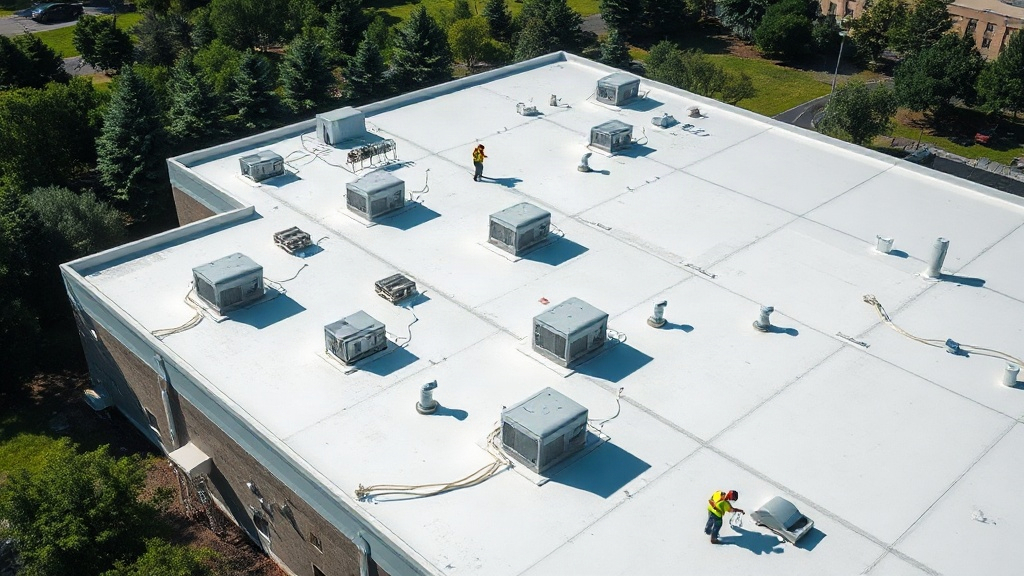
When you own or manage a commercial building in Canada, the roof over your head is more than just a cover—it's a critical asset that protects your investment, your operations, and your people. With extreme weather ranging from heavy snow loads to intense summer heat, selecting the right Commercial Roofing Systems is a decision that demands careful thought. This guide will walk you through the key considerations, materials, and best practices to ensure your roof performs reliably for decades, not just years.
Understanding Commercial Roofing Systems
Commercial Roofing Systems refer to the combination of materials, layers, and installation techniques used to create a durable, weatherproof roof for commercial or industrial buildings. Unlike residential roofs, commercial roofs often cover large, flat or low-slope areas and must accommodate HVAC units, skylights, and foot traffic. The system you choose affects energy efficiency, maintenance costs, and the building's overall lifespan.
Key Components of a Commercial Roof
Every commercial roof consists of several layers working together: the structural deck, insulation, waterproof membrane, and sometimes a protective surfacing. The membrane is the most visible and critical layer—it's what keeps water out. Insulation helps regulate temperature and reduce energy bills. In Canada, where building codes demand high thermal performance, the right insulation thickness and type are non-negotiable.
Popular Commercial Roofing Materials
There's no one-size-fits-all solution. The best material depends on your building's use, budget, and climate. Here are the most common options:
- TPO (Thermoplastic Polyolefin): A single-ply membrane known for its energy efficiency (reflects sunlight) and resistance to UV, ozone, and chemicals. It's a popular choice for large warehouses and retail centers.
- EPDM (Ethylene Propylene Diene Monomer): A synthetic rubber membrane that's highly durable and flexible, performing well in cold Canadian winters. It's cost-effective and easy to repair.
- Modified Bitumen: A multi-layer system combining asphalt and polymer modifiers, offering excellent waterproofing and durability. It's often used on buildings with heavy foot traffic.
- Metal Roofing: Standing seam metal roofs are gaining traction for their longevity (50+ years), low maintenance, and ability to shed snow. They're ideal for steep-slope applications.
- Built-Up Roofing (BUR): A traditional system of alternating layers of asphalt and reinforcing fabric. While labor-intensive, it provides robust protection and is still used on many older buildings.
When evaluating these options, consider factors like local climate, building code requirements, and the roof's slope. For instance, in regions with heavy snowfall, metal or EPDM may outperform TPO due to better snow shedding and cold-weather flexibility.
How to Choose the Right System for Your Building
Selecting a commercial roofing system isn't just about picking a material. It's about matching the system to your building's specific needs. Start by assessing your building's structure: can it support the weight of a particular system? Next, think about your budget—not just upfront costs, but long-term maintenance and energy savings. A roofing contractor can perform a life-cycle cost analysis to compare options.
Also, consider your building's usage. If you have a lot of rooftop equipment, you'll need a system that can handle foot traffic and frequent maintenance. If energy efficiency is a priority, choose a reflective membrane like TPO or a cool-roof coating. And don't forget about warranty: a reputable installer will offer a comprehensive warranty that covers both materials and workmanship.
Installation Matters as Much as Material
Even the best material can fail if installed incorrectly. Proper installation involves thorough surface preparation, correct adhesive or fastening, and meticulous sealing of seams and penetrations. In Canada, where freeze-thaw cycles are common, poor installation can lead to leaks and premature failure. Always hire a certified roofing contractor with experience in your region and specific system.
Maintenance Tips for Longevity
Once your roof is installed, regular maintenance is key to maximizing its lifespan. Here are some practical tips:
- Inspect your roof at least twice a year, ideally in spring and fall. Look for signs of damage like cracks, blisters, or loose seams.
- Keep drains and gutters clear of debris to prevent water pooling. In winter, remove snow buildup carefully to avoid overloading the structure.
- Limit rooftop traffic to necessary personnel and create walkway pads to protect the membrane.
- Address small repairs immediately—a minor leak can escalate into a major problem.
- Schedule professional inspections every few years to catch issues early.
By staying proactive, you can extend the life of your commercial roofing system by 10 years or more, saving thousands in replacement costs.
Frequently Asked Questions
What is the most durable commercial roofing system for Canadian winters?
EPDM and metal roofing are often considered the most durable for cold climates due to their flexibility and ability to shed snow. However, proper installation and insulation are crucial regardless of material.
How long does a commercial roof typically last?
With proper installation and maintenance, most commercial roofs last 20 to 30 years. Metal roofs can last 50 years or more, while TPO and EPDM typically have a lifespan of 15 to 25 years.
Can I install a commercial roofing system over an existing roof?
In some cases, yes, a roof overlay is possible if the existing roof is structurally sound and not too damaged. However, a full tear-off is often recommended to ensure proper inspection and avoid trapped moisture.
How much does a commercial roofing system cost?
Costs vary widely based on material, building size, and labor. On average, you can expect to pay $8 to $20 per square foot installed. It's best to get multiple quotes and consider life-cycle costs, not just upfront price.
What maintenance does a commercial roof need?
Regular inspections, debris removal, and prompt repairs are essential. At minimum, schedule professional inspections twice a year and after severe weather events.
Choosing the right Commercial Roofing Systems is an investment in your building's future. By understanding your options and committing to proper maintenance, you can ensure a safe, efficient, and long-lasting roof.