
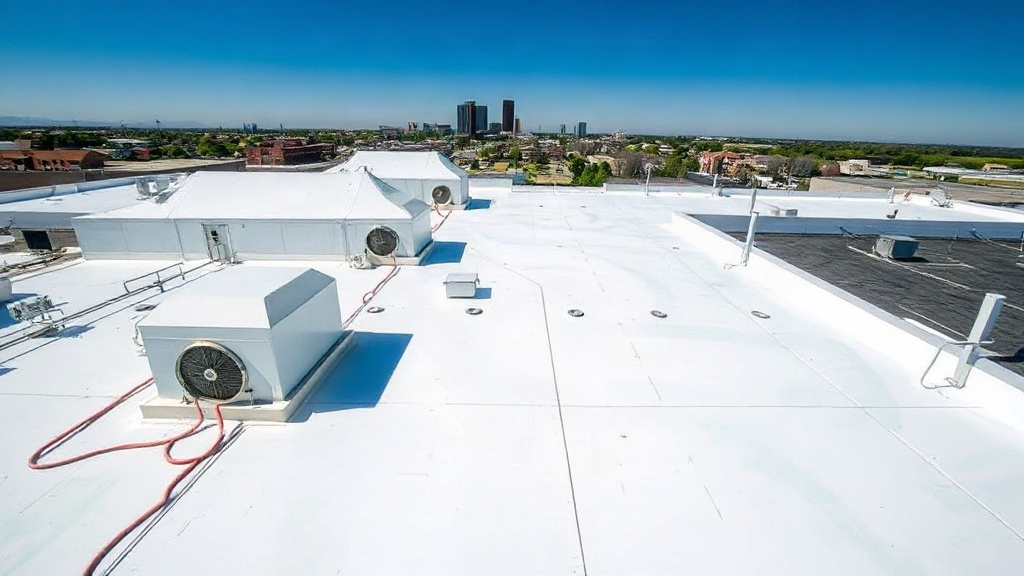
When you manage a commercial building, the roof over your head is more than just a cover—it's a critical asset that protects your investment, your operations, and the people inside. Choosing the right Commercial Roofing Systems is a decision that impacts energy costs, maintenance budgets, and long-term durability. With so many options available, from traditional built-up roofs to modern single-ply membranes, it's easy to feel overwhelmed. This guide cuts through the noise, offering practical insights to help you select and maintain a roofing system that fits your building's specific needs.
Understanding the Core Components of Commercial Roofing Systems
Every commercial roof is a layered assembly designed to shed water, insulate, and withstand the elements. While materials vary, most systems share four key components: the structural deck, the insulation, the membrane or weatherproofing layer, and the flashing. The deck, often steel or concrete, provides the foundation. Insulation improves energy efficiency and can also serve as a substrate for the membrane. The membrane is the primary barrier against water, and flashing seals edges, penetrations, and transitions. Understanding these layers helps you evaluate proposals and spot potential weaknesses during inspections.
Structural Deck
The deck is the backbone of any commercial roof. It must support the weight of the roofing system, plus any equipment, snow, or foot traffic. Common materials include steel, concrete, and wood. Steel decks are lightweight and strong, while concrete offers excellent durability but adds significant weight. During a roof replacement, the condition of the deck often dictates whether a tear-off is necessary or if a recover is possible.
Insulation
Insulation does more than keep your building warm in winter and cool in summer. It also affects the roof's overall performance and longevity. Rigid foam boards, such as polyisocyanurate, are popular for their high R-value per inch. The thickness and type of insulation can impact energy code compliance and even the choice of membrane, as some adhesives and fasteners work better with certain substrates.
Membrane
The membrane is the most visible and critical layer. It's the waterproof skin that keeps water out. Options include thermoset (EPDM), thermoplastic (TPO, PVC), and modified bitumen. Each has distinct properties: EPDM is highly resistant to UV and ozone, TPO offers heat-welded seams and energy efficiency, and modified bitumen provides a robust, multi-ply protection. The right choice depends on climate, budget, and building use.
Flashing
Flashing details are where most leaks occur. This includes edge metal, pipe boots, expansion joints, and drain details. Proper installation and regular inspection of flashing are essential to prevent water infiltration. Even the best membrane will fail if flashing is compromised.
Comparing Popular Commercial Roofing Systems
When evaluating Commercial Roofing Systems, facility managers typically consider four main types: built-up roofing (BUR), modified bitumen, single-ply membranes, and metal roofing. Each has its strengths and ideal applications.
Built-Up Roofing (BUR)
BUR, often called tar and gravel, consists of multiple layers of bitumen and reinforcing fabrics. It's known for its durability and redundancy—if one layer fails, others still protect. However, installation is labor-intensive and involves hot asphalt, which can be a safety concern. BUR is a good fit for buildings with heavy foot traffic or where a traditional look is desired.
Modified Bitumen
Modified bitumen is a hybrid of BUR and single-ply. It's typically installed in two layers and can be applied with heat, cold adhesive, or self-adhering sheets. It offers excellent waterproofing and is easy to repair. It's a popular choice for low-slope roofs in colder climates because it remains flexible at low temperatures.
Single-Ply Membranes
Single-ply membranes, including TPO, EPDM, and PVC, have gained popularity for their ease of installation and energy efficiency. TPO and PVC are heat-welded, creating strong seams, while EPDM is glued or taped. These membranes are lightweight and can be installed in large sheets, reducing labor costs. They are ideal for large, flat roofs and can be white to reflect sunlight, lowering cooling costs.
Metal Roofing
Metal roofing, often standing seam, is durable, lightweight, and long-lasting. It's excellent for steep-slope applications and can be designed with insulation to improve energy performance. While the initial cost is higher, the longevity and low maintenance can make it cost-effective over time. Metal roofs are also recyclable, appealing to sustainability-minded owners.
Key Factors in Selecting a Commercial Roofing System
Choosing the right system isn't just about material cost. Consider these factors to make a decision that serves your building for decades.
- Climate: In Canada, freeze-thaw cycles, snow loads, and temperature swings demand a system that can handle thermal shock. Modified bitumen and EPDM perform well in cold, while TPO is susceptible to hail damage in some regions.
- Building Use: Roofs with heavy HVAC equipment or foot traffic need a durable membrane, like BUR or modified bitumen. If the roof is visible, aesthetics may influence choice.
- Budget: Consider not just upfront cost but life-cycle cost. A cheaper system that needs frequent repairs may cost more over time.
- Energy Efficiency: Cool roofs (white TPO or PVC) can reduce cooling loads. Insulation levels also impact energy bills.
- Maintenance: Some systems require more upkeep. For example, gravel-surfaced BUR can be difficult to inspect, while single-ply membranes are easy to scan for damage.
Installation and Maintenance Best Practices
Even the best Commercial Roofing Systems can underperform if not installed and maintained properly. Here are some tips to ensure longevity.
Hire Qualified Professionals
Work with contractors who have experience with your chosen system and are licensed and insured. Check references and ask about warranties. A reputable contractor will also help you navigate building codes and permits.
Regular Inspections
Schedule inspections at least twice a year, in spring and fall. Look for signs of damage: blistering, cracking, ponding water, or loose flashing. After severe weather, inspect immediately. Keeping a log of inspections and repairs helps track the roof's condition and can support warranty claims.
Preventive Maintenance
Simple tasks like cleaning drains, removing debris, and trimming overhanging branches can prevent major issues. Address small leaks promptly; water can travel far from the entry point, causing hidden damage. Consider a maintenance program with a trusted contractor to stay on top of repairs.
Frequently Asked Questions About Commercial Roofing Systems
How long does a commercial roof last?
The lifespan varies by material and maintenance. BUR can last 20-30 years, modified bitumen 15-20 years, single-ply 15-25 years, and metal 40-70 years. Regular maintenance can extend these estimates.
What is the best roofing system for a flat roof in Canada?
For Canada's climate, modified bitumen and EPDM are often recommended for their cold-weather flexibility. TPO is also popular but may need hail-resistant versions. Consulting a local roofing professional is key.
Can I install a new roof over an existing one?
Sometimes, a roof recover is possible if the existing roof is in good condition and local codes allow. However, adding layers can increase weight and may not be permitted. A full tear-off is often better for long-term performance.
How much does a commercial roof replacement cost?
Costs vary widely based on size, material, and location. On average, you might pay $8 to $15 per square foot. Get multiple quotes and consider life-cycle costs, not just the lowest bid.
What are the signs that my commercial roof needs repair?
Watch for water stains on ceilings, sagging areas, punctures, or debris in drains. Also, if your energy bills spike, it could indicate insulation failure. When in doubt, call a professional for an inspection.
By understanding the options and committing to proper care, you can maximize the life of your Commercial Roofing Systems and protect your building for years to come.