
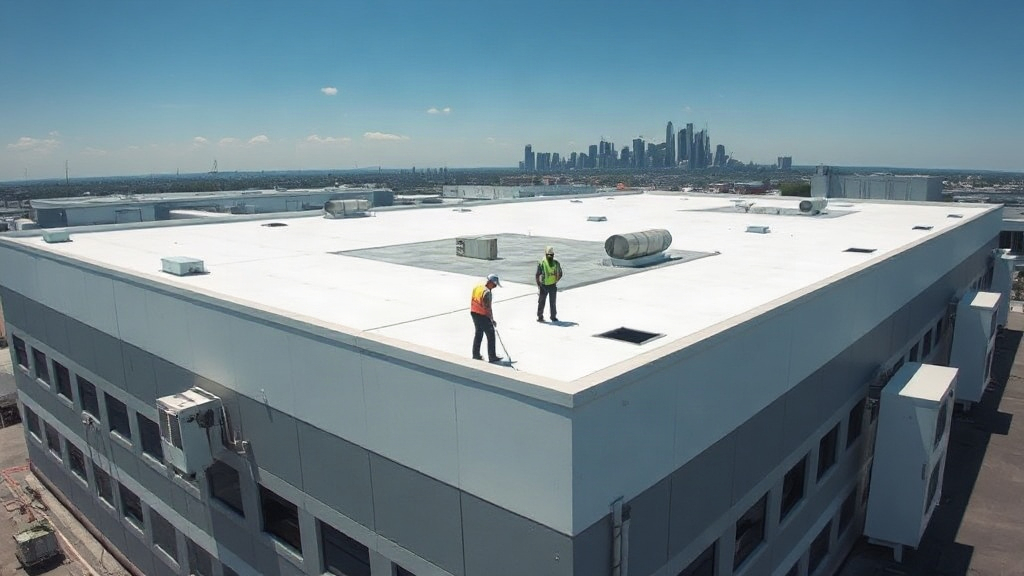
When you're responsible for a commercial building, the roof over your head is more than just a cover—it's a critical asset that protects your inventory, equipment, and people. Unlike residential roofs, commercial roofing systems are engineered to handle larger spans, heavier foot traffic, and stricter building codes. Whether you're planning a new construction or replacing an aging roof, understanding your options can save you thousands of dollars and countless headaches down the line.
What Are Commercial Roofing Systems?
Commercial Roofing Systems refer to the complete assembly of materials and components that form a building's roof. This includes the structural deck, insulation, membrane, flashing, and drainage. Unlike residential roofs that often use steep-slope shingles, commercial roofs are typically low-slope or flat, requiring specialized membranes and installation techniques. The system you choose affects everything from energy efficiency to maintenance costs and lifespan.
In Canada, commercial roofs must withstand extreme temperature fluctuations, heavy snow loads, and intense UV exposure. That's why selecting a system designed for your climate is non-negotiable. A roof that performs well in mild climates may fail prematurely in Canadian winters if not properly specified.
Key Types of Commercial Roofing Systems
Single-Ply Membranes
Single-ply membranes are among the most popular choices for commercial buildings. They come in large sheets and are either mechanically attached, adhered, or ballasted. The two main types are TPO (thermoplastic polyolefin) and EPDM (ethylene propylene diene monomer). TPO is known for its energy efficiency and heat-welded seams, while EPDM offers excellent durability and UV resistance. Both are relatively lightweight and can be installed quickly, minimizing disruption to your business.
Built-Up Roofing (BUR)
Built-up roofing, often called tar and gravel, has been a staple in commercial roofing for over a century. It consists of alternating layers of bitumen and reinforcing fabrics, topped with a surfacing material like gravel or minerals. BUR systems are known for their redundancy—multiple layers provide extra protection against leaks. However, they are heavy and installation is labor-intensive, which can drive up costs.
Modified Bitumen
Modified bitumen membranes are essentially an evolution of BUR, supplied in rolls and applied with torching, self-adhesion, or hot mopping. They offer excellent waterproofing and flexibility, making them suitable for Canadian climates. The added polymers (APP or SBS) improve elasticity and resistance to cracking at low temperatures.
Metal Roofing
Metal roofing systems, including standing seam and corrugated panels, are gaining traction in commercial applications. They are lightweight, durable, and can be installed over existing roofs, reducing landfill waste. Metal roofs reflect sunlight, lowering cooling costs, and can last 40 years or more with proper maintenance. However, they can be noisy during rain and may require additional insulation for thermal performance.
Spray Polyurethane Foam (SPF)
SPF roofing involves spraying a mixture of polyol and isocyanate onto the roof deck, where it expands into a seamless, rigid foam. It provides excellent insulation and can be applied over various substrates. The foam is then coated with a protective layer to shield it from UV rays. SPF is ideal for roofs with complex shapes and can extend the life of an existing roof.
How to Choose the Right System for Your Building
Selecting a commercial roofing system isn't a one-size-fits-all decision. Consider these factors:
- Building use: A warehouse with heavy foot traffic may need a more durable membrane, while an office building might prioritize energy efficiency.
- Climate: In Canada, freeze-thaw cycles and snow loads demand systems with high puncture resistance and thermal stability.
- Budget: While upfront costs matter, evaluate the total cost of ownership over the roof's lifespan, including maintenance and energy savings.
- Structural capacity: Some systems are heavier than others; ensure your building can support the load.
- Maintenance capabilities: If you lack in-house maintenance staff, choose a system that requires minimal upkeep.
It's also wise to consult a roofing professional who can assess your specific situation. They can perform a core test to determine the existing roof assembly's condition and recommend the best path forward.
Installation Best Practices
Proper installation is just as important as the materials you choose. Even the best membrane will fail if installed incorrectly. Here are some key practices:
- Surface preparation: Ensure the substrate is clean, dry, and free of debris. Any moisture trapped beneath the membrane can lead to blisters and premature failure.
- Weather considerations: Avoid installing in extreme cold or wet conditions unless using materials specifically designed for such environments.
- Flashing details: Pay close attention to penetrations, edges, and drains. These are common leak points.
- Quality control: Hire certified installers and insist on inspections at critical stages.
Remember, a roof is a system, so every component must work together. Cutting corners on insulation or fasteners can compromise the entire assembly.
Maintenance and Longevity
Commercial roofs don't last forever, but with regular maintenance, you can maximize their lifespan. Implement a preventive maintenance program that includes:
- Twice-yearly inspections (spring and fall) to catch minor issues before they become major.
- Clearing drains and gutters to prevent ponding water.
- Removing debris that can puncture the membrane.
- Addressing small tears or blisters promptly.
- Keeping a roof log to track repairs and conditions.
Many roofing manufacturers offer warranties that require specific maintenance tasks. Be sure to follow those requirements to keep your warranty valid. Also, consider a roof asset management plan that budgets for repairs and eventual replacement.
Frequently Asked Questions
How long do commercial roofing systems last?
The lifespan varies by material: EPDM and TPO can last 20-30 years, modified bitumen 15-20 years, metal 40+ years, and SPF 20-30 years with proper maintenance. Regular inspections and prompt repairs can extend these estimates.
Which commercial roofing system is best for Canadian winters?
Systems that handle freeze-thaw cycles and snow loads well include modified bitumen, EPDM, and metal. TPO is also popular, but ensure it's formulated for cold climates. The key is proper insulation and installation to prevent ice damming.
Can I install a new commercial roof over an existing one?
In some cases, yes—this is called a roof overlay. It can save on tear-off costs and landfill waste, but only if the existing roof is structurally sound and not saturated with moisture. A professional assessment is essential.
What is the most energy-efficient commercial roofing system?
Cool roofing options like white TPO, PVC, or metal with reflective coatings can significantly reduce cooling costs by reflecting sunlight. Adding insulation also boosts energy efficiency. SPF provides both insulation and a seamless surface.
How often should I schedule roof maintenance?
At least twice a year, ideally in spring and fall. If your building is surrounded by trees or experiences severe weather, more frequent inspections may be needed. After any major storm, inspect for damage.