
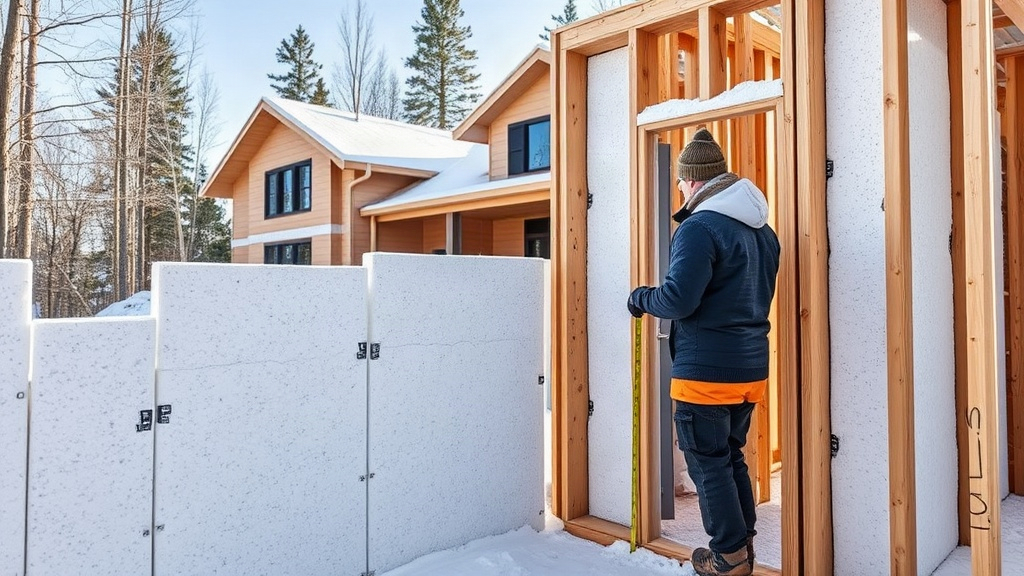
When you're planning a construction or renovation project in Canada, choosing the right insulation is critical. With harsh winters and rising energy costs, you need a material that performs. EPS Insulation (Expanded Polystyrene) has become a go-to solution for builders and homeowners alike. But what makes it so popular? In this article, we'll explore the benefits, applications, and practical considerations of EPS insulation, helping you make an informed decision for your next project.
What Is EPS Insulation?
EPS Insulation is a rigid foam board made from expanded polystyrene beads. The manufacturing process involves heating polystyrene beads with steam, causing them to expand and fuse together. The result is a lightweight, rigid panel with millions of closed air cells that provide excellent thermal resistance. Unlike extruded polystyrene (XPS), EPS has a slightly lower R-value per inch but is often more cost-effective and environmentally friendly.
Why Choose EPS Insulation for Canadian Buildings?
Canada's climate poses unique challenges: freezing temperatures, heavy snow, and variable humidity. EPS insulation handles these conditions well. Its closed-cell structure resists moisture absorption, preventing mold and maintaining performance over time. Additionally, EPS retains its R-value even in cold weather, unlike some other insulation types that lose efficiency. For Canadian builders, this reliability is a game-changer.
Energy Efficiency and Cost Savings
Heating and cooling account for a significant portion of energy bills. EPS insulation creates a continuous thermal barrier, reducing heat loss in winter and heat gain in summer. This translates to lower energy consumption and smaller carbon footprint. Many Canadian provinces offer rebates for energy-efficient upgrades, making EPS an even more attractive investment.
Durability and Longevity
EPS insulation is built to last. It doesn't degrade over time, and it resists rot, mildew, and insects. When properly installed, it can last the lifetime of the building. This durability means fewer replacements and less waste, contributing to sustainable construction practices.
Environmental Impact
EPS is recyclable and often contains recycled content. It's also free of ozone-depleting chemicals. Choosing EPS insulation supports green building goals and can help projects achieve LEED certification. For eco-conscious builders, it's a responsible choice.
Applications of EPS Insulation in Canada
EPS insulation is versatile and used in various applications across residential, commercial, and industrial sectors. Here are some common uses:
- Exterior Walls: EPS boards are installed on exterior walls to provide continuous insulation, reducing thermal bridging.
- Roofs: Used in flat and low-slope roofs, EPS helps maintain indoor temperatures and prevents ice dams.
- Foundations: EPS is ideal for foundation insulation, protecting against frost heave and reducing heat loss.
- Under-Slab: Placed beneath concrete slabs, EPS insulation keeps floors warmer and reduces energy costs.
- Sandwich Panels: EPS is a core material in insulated sandwich panels, widely used for cold storage, agricultural buildings, and modular construction.
How to Choose the Right EPS Insulation
Not all EPS insulation is created equal. When selecting EPS for your project, consider these factors:
- R-Value: Determine the required thermal resistance for your climate zone. EPS typically ranges from R-3.6 to R-4.2 per inch.
- Density: Higher density EPS offers greater compressive strength, important for load-bearing applications.
- Thickness: Choose thickness based on desired R-value and space constraints.
- Edge Treatment: Tongue-and-groove edges improve fit and reduce air leakage.
- Certifications: Look for products that meet Canadian standards, such as CAN/ULC-S701.
Installation Tips for EPS Insulation
Proper installation is key to maximizing EPS performance. Here are some best practices:
- Ensure the substrate is clean, dry, and level.
- Use adhesive or mechanical fasteners designed for EPS.
- Seal joints with tape or foam sealant to prevent air infiltration.
- Install a weather barrier over exterior EPS to protect from UV and moisture.
- Follow local building codes and manufacturer guidelines.
Common Questions About EPS Insulation
Is EPS insulation suitable for cold Canadian climates?
Absolutely. EPS insulation maintains its R-value in cold temperatures and resists moisture, making it ideal for Canadian winters. It's used successfully in all provinces and territories.
How does EPS compare to XPS insulation?
EPS and XPS are both rigid foams, but EPS is generally less expensive and more environmentally friendly. XPS has a slightly higher R-value per inch and better moisture resistance, but EPS offers good performance at a lower cost. The choice depends on your budget and specific needs.
Can EPS insulation be used below grade?
Yes, EPS is commonly used for foundation insulation below grade. Its closed-cell structure resists moisture uptake, and it can handle soil pressures when properly specified.
What is the R-value of EPS insulation?
EPS typically has an R-value of R-3.6 to R-4.2 per inch, depending on density. For example, one-inch thick EPS provides about R-4, while two-inch provides around R-8.
Is EPS insulation fire resistant?
EPS contains flame retardants and will not sustain a flame on its own. However, it should be covered with a fire-rated material, such as drywall, in interior applications. Always check local fire codes.
Whether you're building a new home, renovating an existing structure, or constructing a commercial facility, EPS insulation offers a reliable, efficient, and cost-effective solution. Its performance in Canadian conditions is proven, and its environmental benefits align with modern building practices. By choosing EPS, you're investing in comfort, savings, and sustainability for years to come.