
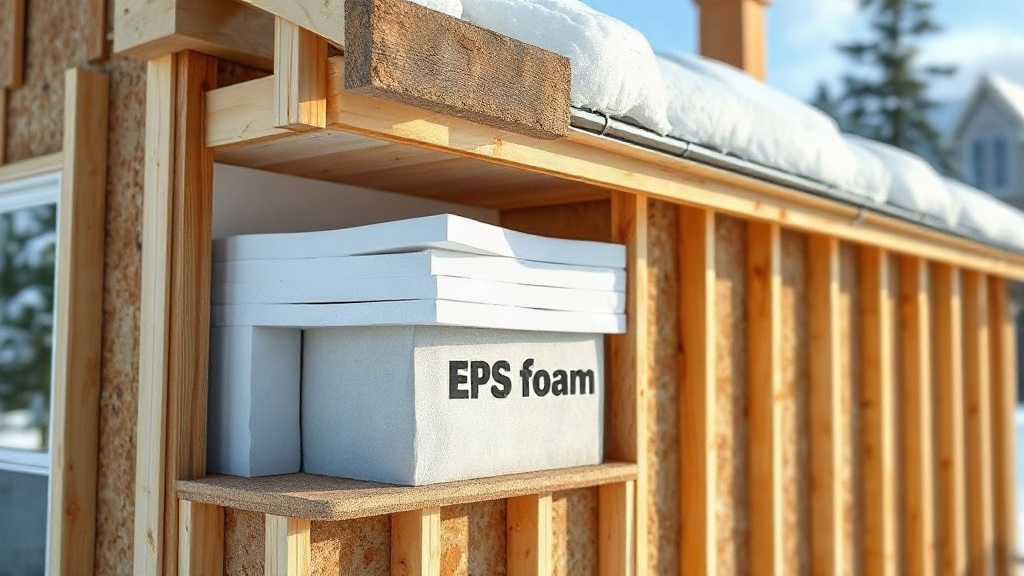
When you think about insulating a home or commercial building in Canada, the options can feel overwhelming. Fiberglass, spray foam, mineral wool, and rigid boards all compete for your attention. Yet one material has quietly become a favorite among builders and renovators from Vancouver to Halifax: EPS Insulation. Also known as expanded polystyrene, this lightweight, rigid foam offers a compelling mix of thermal performance, moisture resistance, and affordability that suits Canada's diverse climate. In this article, we'll explore what makes EPS Insulation a smart choice, how it compares to alternatives, and where it fits best in your next project.
What Is EPS Insulation and How Is It Made?
EPS Insulation starts as tiny beads of polystyrene resin. These beads are expanded using steam, then molded into large blocks or custom shapes. The result is a rigid foam board composed of about 98% air, which explains its excellent insulating properties and low weight. Unlike extruded polystyrene (XPS), which has a closed-cell structure, EPS has a mostly closed-cell makeup with small voids between beads. This structure gives EPS a unique balance: it's breathable enough to allow some moisture vapor to pass, yet resistant to bulk water absorption. Manufacturers often add graphite or other infill materials to boost R-value, creating enhanced versions like graphite EPS.
Why EPS Insulation Stands Out in Canadian Climates
Canada's climate throws everything at building envelopes: deep freezes, freeze-thaw cycles, driving rain, and high humidity in coastal regions. EPS Insulation handles these challenges remarkably well. Its thermal resistance remains stable in cold temperatures, unlike some materials that lose R-value as mercury drops. Additionally, EPS doesn't readily absorb water, so it won't become a soggy mess if exposed to occasional moisture during construction. For homeowners, that translates to consistent energy savings and fewer worries about mold or rot. For builders, it means a product that's easy to cut, shape, and install, even in tight spaces or irregular framing.
Thermal Performance That Lasts
EPS typically offers R-values between R-3.6 and R-4.5 per inch, depending on density and type. While that's slightly lower than polyisocyanurate or closed-cell spray foam, EPS is often more than sufficient when properly sized. In fact, many net-zero and Passive House projects in Canada use thick layers of EPS to achieve high R-values without breaking the bank. Because EPS doesn't off-gas or shrink over time, its performance remains predictable for decades.
Moisture Management and Durability
One of the biggest concerns with any insulation is moisture. Wet insulation is useless insulation. EPS resists moisture absorption, and its dimensional stability means it won't warp or crumble when exposed to damp conditions. That's why it's commonly used below grade, under slabs, and on exterior walls where other materials might fail. However, it's not a waterproofing product; in below-grade applications, it should be paired with a drainage plane and proper waterproofing.
Common Applications for EPS Insulation
EPS is versatile and shows up in many parts of a building. Here are some of the most common uses:
- Exterior walls: As continuous insulation over sheathing, EPS reduces thermal bridging and improves overall wall R-value.
- Roofs: Flat and low-slope roofs often use EPS as a lightweight, tapered insulation layer to direct water toward drains.
- Foundations: Rigid EPS boards protect foundation walls and slabs from heat loss, especially in cold Canadian basements.
- Interior insulation: In retrofit projects, EPS can be added to interior walls, though a vapor barrier may be needed depending on climate zone.
- Specialty applications: EPS is also used in insulated concrete forms (ICFs), structural insulated panels (SIPs), and even in some exterior finishing systems (EIFS).
EPS vs. Other Insulation Materials: A Fair Comparison
How does EPS stack up against XPS, polyiso, and spray foam? Let's break it down.
- XPS: Higher R-value per inch (around R-5) and lower moisture permeability, but more expensive and with higher global warming potential due to blowing agents.
- Polyiso: Highest R-value per inch (up to R-6.5), but performance can decline in cold temperatures and it's pricier.
- Spray foam: Excellent air sealing and high R-value, but costly, requires professional installation, and can be overkill for some projects.
- Mineral wool: Fire-resistant and sound-absorbing, but heavier and more expensive than EPS.
For many Canadian projects, EPS offers the best bang for your buck, especially when you need a lot of insulation over a large area. Its environmental profile is also improving: some EPS products now contain recycled content, and the material is fully recyclable.
Installation Tips for EPS Insulation
Installing EPS correctly is key to maximizing its benefits. Here are some practical tips:
- Choose the right thickness. Calculate the required R-value for your climate zone and application. Canadian building codes vary by province, so consult local guidelines.
- Ensure proper drainage. In below-grade applications, place a drainage board or gravel layer outside the EPS to direct water away.
- Seal joints. Use taped or foamed seams to prevent air leakage, which can undermine thermal performance.
- Protect from UV exposure. EPS degrades in sunlight, so cover it with siding, flashing, or a protective coating if left exposed.
- Use compatible adhesives. Some solvents can dissolve EPS; choose water-based adhesives or mechanical fasteners instead.
Environmental Impact and Sustainability
EPS is often criticized for being petroleum-based, but its environmental story is more nuanced. The material is lightweight, which reduces transportation emissions. It's also recyclable, and many manufacturers now offer EPS with recycled content. Additionally, because EPS improves energy efficiency, it reduces greenhouse gas emissions from heating and cooling over the building's life. When you weigh the embodied carbon against operational savings, EPS often comes out ahead, especially in cold climates where heating demands are high.
Frequently Asked Questions About EPS Insulation
Is EPS insulation safe for residential use?
Yes, EPS is considered safe when installed properly. It doesn't contain formaldehyde or other harmful chemicals, and it's inert. However, like all foam plastics, it should be covered with a fire-rated barrier (such as drywall) in occupied spaces to meet building codes.
Can EPS insulation get wet and lose its R-value?
EPS resists moisture absorption, so it won't lose significant R-value if it gets damp. However, prolonged exposure to standing water can degrade performance. Proper detailing and drainage are essential to keep it dry.
How does EPS compare to XPS in cold Canadian winters?
Both perform well in cold, but EPS maintains its R-value better at low temperatures than XPS, which can lose some performance. EPS is also more vapor-permeable, which can be an advantage in certain wall assemblies.
What is the typical lifespan of EPS insulation?
EPS insulation can last the lifetime of the building, often 50 years or more, as long as it's protected from UV light and physical damage. It doesn't rot, mold, or deteriorate like some organic insulations.
Where can I buy EPS insulation in Canada?
EPS insulation is widely available at building supply stores across Canada. For large projects, you can order custom-cut boards directly from manufacturers. If you're unsure which type suits your project, consult a local building professional.
Choosing the right insulation is a decision that affects your comfort, energy bills, and environmental footprint for years. EPS Insulation offers a practical, proven solution that stands up to Canada's toughest weather. Whether you're building a new home, renovating an older one, or working on a commercial project, consider EPS for its reliable performance and value. With proper installation and detailing, it can help you create a more efficient, durable, and comfortable building.