
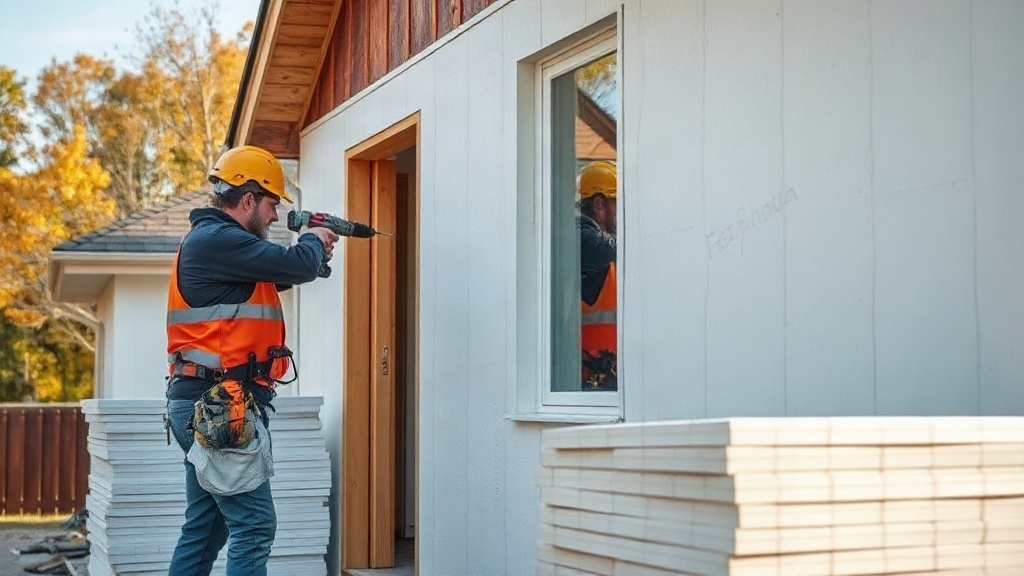
When it comes to insulating your Canadian home, the options can feel overwhelming. Between fiberglass, spray foam, and cellulose, one material that often gets overlooked is EPS insulation. Expanded polystyrene, or EPS, is a rigid foam board that offers impressive thermal performance, moisture resistance, and affordability. In a climate where winters are long and harsh, choosing the right insulation is critical. This article dives into what makes EPS insulation a strong contender for Canadian homeowners, from its composition to installation considerations and long-term savings.
What Is EPS Insulation?
EPS insulation is a type of rigid foam board made from expanded polystyrene beads. The manufacturing process involves steaming the beads, which causes them to expand and fuse together, creating a lightweight yet sturdy panel. Unlike extruded polystyrene (XPS), which has a closed-cell structure, EPS has an open-cell structure, but it still provides excellent insulation value. The material is known for its consistent R-value per inch, typically around R-4 per inch, depending on density. In Canada, where building codes demand high thermal resistance, EPS boards are often used in walls, roofs, and foundations.
Why EPS Insulation Stands Out in Canadian Climates
Canadian weather puts insulation to the test. Freeze-thaw cycles, heavy snow, and driving rain can degrade lesser materials. EPS insulation holds up well because it resists moisture absorption. When water gets into other types of insulation, like fiberglass, it loses much of its R-value. EPS, however, maintains its performance even when exposed to damp conditions. This makes it a reliable choice for basements, crawl spaces, and exterior applications where moisture is a concern.
Energy Efficiency and Cost Savings
One of the most compelling reasons to choose EPS insulation is its ability to reduce energy bills. By creating a continuous thermal barrier, EPS boards minimize heat loss in winter and heat gain in summer. For a typical Canadian home, upgrading insulation can cut heating costs by up to 20%, according to natural Resources Canada. EPS is particularly effective when used as a continuous layer on the exterior of walls, eliminating thermal bridging through studs. This approach, often called exterior insulation, is gaining traction in Canadian construction because it also protects the building envelope from the elements.
Moisture Management and Durability
Moisture is the enemy of any insulation system. EPS insulation has a low water absorption rate, meaning it won't soak up water like a sponge. This property helps prevent mold growth and rot in the structure. Additionally, EPS is resistant to decay and won't support the growth of fungi or bacteria. When properly installed, EPS boards can last for the lifetime of the building. They are also lightweight, making them easy to handle and install, which can reduce labor costs.
Where to Use EPS Insulation in Your Home
EPS insulation is versatile and can be used in various parts of a Canadian home. Here are some common applications:
- Exterior Walls: EPS boards can be applied as a continuous layer over sheathing, providing a thermal break and improving overall wall performance.
- Foundations: EPS is often used on the exterior of foundation walls to insulate basements and crawl spaces, keeping them warmer and drier.
- Roofs: In flat or low-slope roofs, EPS boards are used as a rigid insulation layer beneath the roofing membrane.
- Interior Walls: For interior basement finishing, EPS can be used to insulate framed walls, though proper vapor barriers are essential.
EPS vs. Other Insulation Materials
How does EPS insulation compare to XPS, polyiso, and spray foam? Each has pros and cons. XPS has a slightly higher R-value per inch and better moisture resistance, but it costs more and has a higher environmental impact due to its blowing agents. Polyiso offers the highest R-value but is more expensive and can lose performance in cold temperatures. Spray foam provides excellent air sealing but is significantly pricier and requires professional installation. EPS strikes a balance: it's affordable, effective, and environmentally friendlier because it doesn't use ozone-depleting blowing agents. For many Canadian homeowners, EPS is the sweet spot between performance and budget.
Installation Tips for EPS Insulation
Proper installation is key to maximizing the benefits of EPS insulation. Here are some practical tips:
- Seal gaps: Use caulk or spray foam to seal any gaps between EPS boards and around penetrations to prevent air leakage.
- Use the right fasteners: Choose fasteners with washers to secure EPS boards without crushing them. Follow local building codes for fastener spacing.
- Add a weather barrier: When installing EPS on exterior walls, cover it with a weather-resistant barrier (WRB) to protect against water infiltration.
- Consider thickness: In Canada, thicker EPS boards (2 to 4 inches) are often needed to meet energy code requirements. Check with your local building authority.
- Hire a professional: While EPS is DIY-friendly, complex installations like exterior retrofits are best left to experienced contractors to ensure proper detailing.
Environmental Impact and Sustainability
EPS insulation is often misunderstood when it comes to environmental impact. It is recyclable, and many manufacturers now produce EPS with recycled content. The material is also inert and does not release harmful chemicals over time. Compared to other insulation types, EPS has a relatively low embodied energy. Moreover, its energy-saving benefits during a building's lifespan far outweigh the environmental cost of production. For eco-conscious homeowners, EPS is a responsible choice, especially when sourced from reputable suppliers who follow sustainable practices.
Frequently Asked Questions About EPS Insulation
Is EPS insulation suitable for Canadian winters?
Yes, EPS insulation performs well in cold climates. Its R-value remains stable at low temperatures, unlike some other materials that lose effectiveness. It also resists freeze-thaw damage, making it ideal for Canadian conditions.
Can EPS insulation get wet and lose its R-value?
EPS has low water absorption, so it retains its insulating properties even when exposed to moisture. However, prolonged exposure to standing water should be avoided. Proper drainage and waterproofing are still important.
How much does EPS insulation cost compared to other options?
EPS is generally more affordable than XPS, polyiso, and spray foam. The exact cost depends on thickness and location, but it offers a cost-effective solution for many insulation projects.
Do I need a vapor barrier with EPS insulation?
In most Canadian climates, a vapor barrier is recommended on the warm side of the insulation to prevent moisture migration. However, the need for a vapor barrier depends on your wall assembly and local building codes. Consult a building science professional for advice.
Is EPS insulation fire-resistant?
EPS contains flame retardants to meet fire safety standards, but it should be covered with a fire-rated material like drywall when used indoors. Always follow building codes for fire protection.
Choosing the right insulation for your Canadian home is a decision that impacts comfort, energy bills, and durability. EPS insulation offers a compelling combination of performance, affordability, and resilience. Whether you're building new or retrofitting an existing home, consider EPS for your next project. With proper installation, it can keep your home warm, dry, and energy-efficient for years to come.