
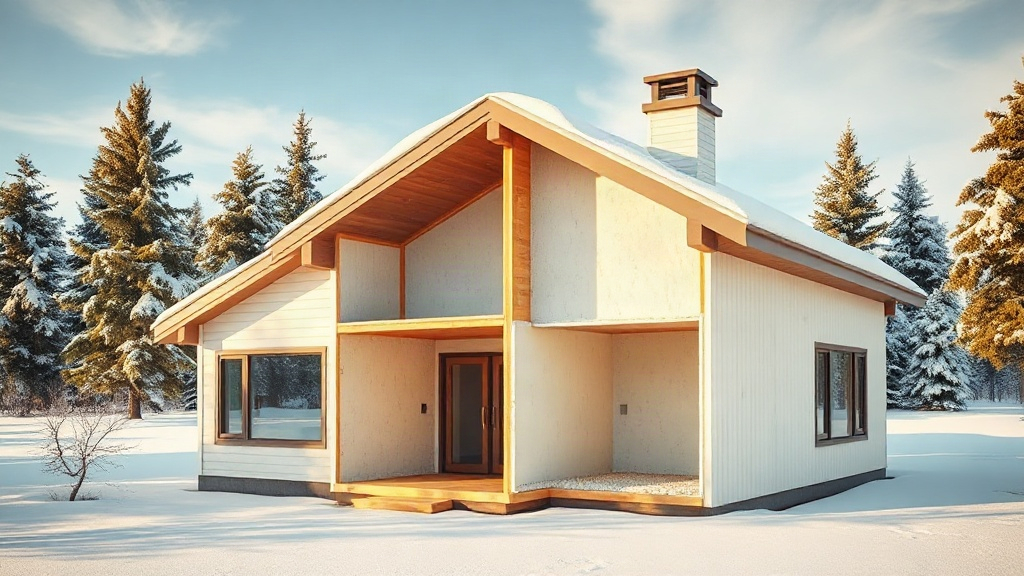
When you think about making your home more energy-efficient, insulation is one of the first things that comes to mind. Among the many options available, EPS insulation stands out as a versatile and cost-effective solution. But what exactly is EPS insulation, and why should you consider it for your next project? In this article, we'll dive into the world of EPS insulation, exploring its benefits, applications, and what makes it a smart choice for Canadian homeowners and builders.
What is EPS Insulation?
EPS, or Expanded Polystyrene, is a lightweight, rigid foam insulation made from polystyrene beads that are expanded using steam and then molded into various shapes. It's known for its closed-cell structure, which gives it excellent thermal resistance and moisture resistance. EPS insulation has been used in construction for decades and is a popular choice for both residential and commercial applications.
Unlike some other insulation materials, EPS is relatively inexpensive to produce, which makes it an affordable option for budget-conscious projects. It's also available in a range of densities and thicknesses, allowing for flexibility in design and performance.
The Science Behind EPS Insulation
EPS insulation works by trapping air within its closed-cell structure. Since air is a poor conductor of heat, this trapped air creates a barrier that slows down the transfer of heat through the material. The result is a high R-value per inch, meaning EPS provides effective thermal resistance even in thinner profiles.
One of the key advantages of EPS is that its thermal performance doesn't degrade over time, unlike some fibrous insulations that can settle or lose effectiveness if they get wet. Because EPS is closed-cell, it resists moisture absorption, which helps maintain its insulating properties even in humid or damp conditions.
Benefits of EPS Insulation
There are numerous benefits to choosing EPS insulation for your home or building project. Let's explore some of the most significant ones.
Energy Efficiency
EPS insulation offers excellent thermal resistance, which translates to lower energy bills. By reducing heat loss in winter and heat gain in summer, EPS helps maintain a comfortable indoor temperature with less reliance on heating and cooling systems. This not only saves money but also reduces your carbon footprint.
Moisture Resistance
As mentioned, EPS is closed-cell, meaning it doesn't absorb water. This makes it ideal for use in areas prone to moisture, such as basements, crawl spaces, and exterior walls. It also resists mold and mildew growth, contributing to a healthier indoor environment.
Lightweight and Easy to Install
EPS insulation is lightweight, making it easy to handle and install. It can be cut to size with simple tools, which reduces labor time and costs. Its rigidity also means it can be used in applications where other insulations might sag or compress.
Durability
EPS insulation is durable and long-lasting. It doesn't rot, decay, or support the growth of fungi or bacteria. When properly installed, it can last for the lifetime of the building.
Cost-Effective
Compared to other insulation materials like polyisocyanurate or spray foam, EPS is generally more affordable. It provides a good balance between performance and cost, making it an attractive option for large projects where budget is a concern.
Applications of EPS Insulation
EPS insulation is incredibly versatile and can be used in a variety of applications throughout a building.
Exterior Walls
EPS is commonly used as continuous insulation on exterior walls, either as rigid foam boards or as part of an exterior insulation and finish system (EIFS). It helps eliminate thermal bridging and improves the overall energy performance of the wall assembly.
Roofing
In roofing applications, EPS insulation is often used in flat roofs or as part of a tapered insulation system to create slope for drainage. Its moisture resistance is particularly beneficial in roof assemblies where leaks can be a concern.
Foundation and Below-Grade
EPS is an excellent choice for insulating foundations and below-grade walls. Its closed-cell structure prevents water absorption, and it can help reduce heat loss through the foundation, which is a common source of energy inefficiency.
Interior Insulation
EPS can also be used for interior insulation, such as in basement walls or as a rigid insulation behind drywall. It helps improve comfort and reduce noise transmission.
EPS Insulation in Canadian Climates
Canada's diverse climate, from the mild coastal regions to the extreme cold of the prairies and territories, demands insulation that can perform under varying conditions. EPS insulation rises to the challenge. Its thermal performance remains stable even in cold temperatures, and its moisture resistance is a boon in areas with high humidity or frequent freeze-thaw cycles.
Moreover, EPS insulation can contribute to meeting the stringent energy codes in Canadian provinces, such as the National Energy Code for Buildings (NECB) and various provincial building codes. By choosing EPS, builders and homeowners can achieve the required R-values while keeping costs in check.
Environmental Impact of EPS Insulation
EPS insulation is often scrutinized for its environmental impact, but it has several eco-friendly attributes. It is recyclable, and many manufacturers offer EPS with recycled content. The energy savings from improved insulation also reduce greenhouse gas emissions over the life of the building.
Furthermore, EPS does not contain ozone-depleting substances (ODS) or hydrofluorocarbons (HFCs) as blowing agents, unlike some other foam insulations. This makes it a more environmentally responsible choice.
How to Choose the Right EPS Insulation
When selecting EPS insulation, consider the following factors:
- R-value needed: Determine the required thermal resistance for your climate zone and building code.
- Thickness and density: Choose the appropriate thickness and density for your application.
- Moisture resistance: Ensure the EPS has adequate moisture resistance for the intended location.
- Fire performance: Check that the EPS meets fire safety standards for your building type.
- Installation method: Decide whether you'll use it as rigid boards, in panels, or in other forms.
It's also wise to consult with a professional insulation contractor or building scientist to ensure you're making the best choice for your specific project.
Frequently Asked Questions About EPS Insulation
Is EPS insulation safe for my health?
Yes, EPS insulation is considered safe when installed properly. It is inert and does not emit harmful gases. However, during installation, it's advisable to wear protective gear to avoid inhaling dust from cutting.
Can EPS insulation get wet?
EPS insulation is moisture-resistant due to its closed-cell structure, but it's not completely waterproof. If exposed to prolonged water exposure, it can absorb some moisture, so it should be protected with proper detailing and drainage.
How long does EPS insulation last?
EPS insulation can last for the lifetime of a building if installed correctly and protected from UV exposure and physical damage. It does not degrade over time.
Is EPS insulation flammable?
EPS is combustible and should be protected with a fire barrier, such as drywall, in interior applications. Many EPS products are treated with flame retardants to meet building code requirements.
What R-value does EPS insulation have?
EPS typically has an R-value of about 3.6 to 4.0 per inch, depending on density. This makes it a good insulator for its cost.
Conclusion
EPS insulation is a smart, cost-effective, and versatile choice for improving the energy efficiency of homes and buildings in Canada. Its excellent thermal performance, moisture resistance, and durability make it a reliable option for a wide range of applications. By choosing EPS insulation, you can enjoy lower energy bills, a more comfortable living space, and a reduced environmental footprint. Whether you're building a new home or retrofitting an existing one, consider EPS insulation for your next project.