
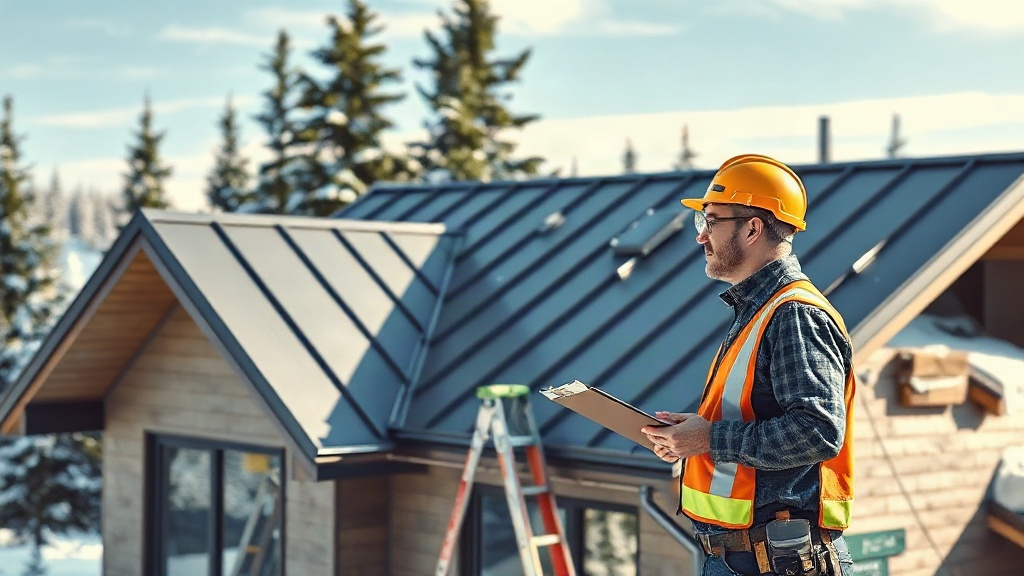
When it comes to roofing in Canada, the extremes of weather demand more than just a sturdy surface. Insulated roof panels have become a go-to solution for builders, architects, and homeowners who want to combine structural integrity with thermal performance. Unlike traditional roofing systems that require separate insulation and weatherproofing layers, these panels integrate everything into one efficient component. This guide dives deep into what makes them ideal for the Canadian climate, how they work, and what you need to know before choosing them for your next project.
What Are Insulated Roof Panels?
Insulated roof panels, often called sandwich panels, consist of two rigid outer skins bonded to a insulating core. The skins are typically made of steel, aluminum, or sometimes fiberglass, while the core can be polyurethane (PUR), polyisocyanurate (PIR), or mineral wool. This composite construction delivers exceptional strength-to-weight ratio and thermal resistance. In Canada, where temperature swings from -40°C to +35°C are common, the continuous insulation provided by these panels minimizes thermal bridging and air leakage, which are major culprits in energy loss.
Why Choose Insulated Roof Panels for Canadian Buildings?
Canada's building codes are increasingly stringent about energy efficiency. The National Energy Code for Buildings (NECB) and provincial regulations push for higher R-values and airtight construction. Insulated roof panels meet these demands head-on. They offer R-values ranging from R-15 to R-40 depending on thickness and core material, far surpassing traditional batt insulation in a comparable space. Moreover, their factory-controlled manufacturing ensures consistent quality and performance, unlike site-built assemblies that can be compromised by poor installation.
Beyond thermal performance, these panels excel in moisture management. The closed-cell foam cores resist water absorption, and the interlocking joints create a seamless barrier against rain and snow. This is crucial in coastal regions like British Columbia, where driving rain is frequent, and in snowbelt areas like Ontario and Quebec, where ice damming can wreak havoc on conventional roofs.
Types of Insulated Roof Panels
Not all panels are created equal. The choice depends on your building type, budget, and performance requirements.
- Polyurethane (PUR) Panels: These offer the highest R-value per inch, making them ideal for space-constrained projects. They are lightweight and easy to handle, but they can be more expensive.
- Polyisocyanurate (PIR) Panels: Similar to PUR but with enhanced fire performance. PIR panels are often preferred for commercial and industrial buildings where fire safety is paramount.
- Mineral Wool Panels: These are non-combustible and provide excellent sound insulation. They are heavier and have a lower R-value per inch, but they are a top choice for high-risk areas or where acoustic comfort matters.
Each type comes with its own set of advantages and trade-offs. For instance, while PUR and PIR are susceptible to UV degradation if left exposed, mineral wool is more resistant but requires careful sealing to prevent moisture ingress.
Installation Considerations for Canadian Climates
Installing insulated roof panels in Canada requires attention to detail, especially regarding thermal expansion and snow loads. Here are key factors to keep in mind:
- Snow Load: Canadian building codes specify ground snow loads that can exceed 3 kPa in some regions. Ensure your panel system and support structure are engineered to handle these loads. The panels themselves are strong, but the fixings and purlins must be up to the task.
- Thermal Movement: Metal panels expand and contract with temperature changes. Use sliding clips or elongated holes to allow for movement without compromising the seal.
- Vapour Barrier: In heated buildings, a continuous vapour barrier on the warm side of the insulation is critical to prevent condensation within the panel. Some panels come with integrated vapour barriers, but always check with the manufacturer.
- Ventilation: While the panels are airtight, proper attic or roof space ventilation is still needed to prevent moisture buildup from internal sources. This is especially important in older buildings being retrofitted.
Working with experienced installers who understand local conditions is non-negotiable. A poorly installed panel can lead to leaks, reduced thermal performance, and costly repairs.
Energy Efficiency and Cost Savings
Heating and cooling account for a significant portion of energy bills in Canadian homes and businesses. Insulated roof panels can reduce heat loss through the roof by up to 70% compared to uninsulated metal roofs. This translates to lower utility costs and a smaller carbon footprint. Many Canadian provinces offer incentives for energy-efficient upgrades, and the panels may qualify for rebates or tax credits. Additionally, the reduced load on HVAC systems can extend their lifespan, adding to the long-term savings.
From a lifecycle perspective, the durability of these panels means fewer replacements and less maintenance. They resist rot, mold, and pests, and their factory-applied coatings can withstand UV rays and corrosion for decades.
Common Mistakes to Avoid
Even with high-quality panels, mistakes can undermine performance. Watch out for these pitfalls:
- Improper Sealing: Gaps at joints or penetrations allow air and water infiltration. Use high-quality sealants and follow manufacturer guidelines.
- Inadequate Fixings: Using the wrong screws or spacing can lead to panel detachment under wind or snow loads.
- Ignoring Thermal Bridging: Fasteners that penetrate the insulation create thermal bridges. Use thermal breaks or insulated fasteners where possible.
- Lack of Professional Installation: DIY installation might seem cost-effective, but errors can be expensive to fix. Hire certified installers.
Maintenance Tips for Longevity
Insulated roof panels are low-maintenance, but a little care goes a long way. Inspect the roof annually for loose fasteners, damaged seals, or signs of corrosion. Clean the surface with mild soap and water to remove dirt and debris, especially in areas prone to pollution or tree sap. Avoid abrasive cleaners that can scratch the coating. If you notice any issues, address them promptly to prevent escalation.
Frequently Asked Questions
How do insulated roof panels perform in extreme cold?
They excel in cold climates. The insulating core minimizes heat loss, and the panels are designed to withstand freeze-thaw cycles. However, proper installation with allowance for thermal movement is essential to prevent cracking.
Can insulated roof panels be installed over existing roofs?
Yes, they can often be retrofitted over existing structures, but a structural assessment is needed to ensure the building can support the added weight. This approach can save on disposal costs and downtime.
What is the typical lifespan of insulated roof panels?
With proper installation and maintenance, they can last 30 to 50 years or more. The outer skins are usually coated with durable finishes that resist weathering.
Are insulated roof panels suitable for residential homes?
Absolutely. They are increasingly used in residential construction, especially for sunrooms, garages, and even entire homes. They offer superior comfort and energy savings.
How do I choose the right thickness for my project?
Thickness depends on your desired R-value and local climate. Consult with a professional to determine the optimal thickness based on building codes and energy goals.