
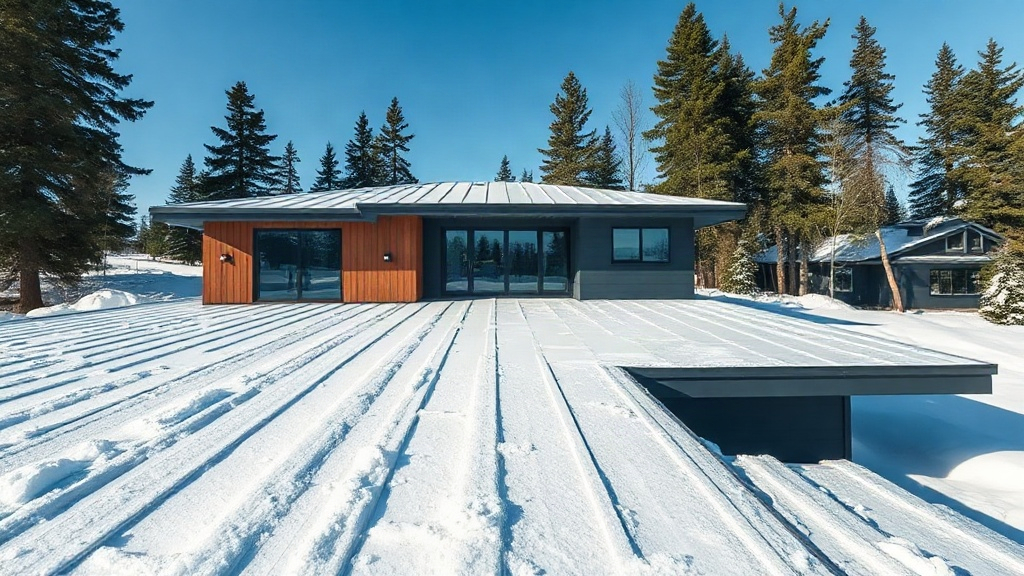
When you're building or renovating in Canada, the roof is one of the most critical components to get right. With harsh winters, heavy snow loads, and hot summers, a roof that performs poorly can lead to skyrocketing energy bills and costly repairs. Insulated roof panels offer a modern solution that addresses these challenges head-on, combining structural integrity with superior thermal performance. In this guide, we'll explore everything you need to know about insulated roof panels, from their construction to installation and cost considerations.
What Are Insulated Roof Panels?
Insulated roof panels, also known as sandwich panels, are composite building materials made of two outer skins (often metal) bonded to a rigid insulating core. This core is typically made of polyurethane (PUR), polyisocyanurate (PIR), or expanded polystyrene (EPS). The result is a strong, lightweight panel that provides excellent insulation and can span large distances without additional support.
These panels are prefabricated in controlled factory conditions, ensuring consistent quality and precise dimensions. They are used in both residential and commercial buildings, particularly for flat or low-slope roofs, and are increasingly popular in Canada due to their energy efficiency and durability.
Why Choose Insulated Roof Panels in Canada?
Canadian buildings face unique challenges: extreme temperature fluctuations, snow accumulation, and high winds. Insulated roof panels are engineered to handle these conditions effectively. Here are some key benefits:
- Energy efficiency: The insulating core minimizes heat transfer, reducing heating and cooling costs. This is especially important in Canada where energy prices are rising.
- Durability: The metal skins are resistant to corrosion, pests, and weather, ensuring a long lifespan with minimal maintenance.
- Fast installation: Panels are lightweight and come in large sheets, allowing for quick installation and reduced labor costs.
- Design flexibility: Available in various colors, profiles, and thicknesses to match any architectural style.
- Environmentally friendly: Many panels use recycled content and can contribute to LEED credits.
Types of Insulated Roof Panels
Not all insulated panels are created equal. Understanding the differences helps you make an informed decision for your project.
Polyurethane (PUR) and Polyisocyanurate (PIR) Panels
PUR and PIR panels offer the highest R-values per inch, making them ideal for applications where space is limited. PIR panels have improved fire performance compared to PUR, as they form a char layer when exposed to fire, slowing its spread. These panels are commonly used in commercial and industrial roofs.
Expanded Polystyrene (EPS) Panels
EPS panels are cost-effective and provide good insulation, though they have a lower R-value per inch than PUR/PIR. They are suitable for residential applications and are often used in walls as well. EPS is lightweight and easy to handle, but it may require additional fire protection in some building codes.
Mineral Wool Panels
Mineral wool core panels are non-combustible and offer excellent fire resistance, making them a top choice for buildings with strict fire safety requirements. They are heavier than other types but provide superior acoustic insulation as well. In Canada, mineral wool panels are often used in high-rise and industrial settings.
Key Considerations for Canadian Climates
When selecting insulated roof panels for a Canadian building, keep these factors in mind:
- Snow load: Ensure the panels and supporting structure can bear the snow loads typical for your region. The National Building Code of Canada provides snow load data.
- Thermal bridging: Use panels with tongue-and-groove joints and proper sealing to minimize thermal bridging at connections.
- Condensation control: In heated buildings, warm moist air can condense on cold surfaces. Choose panels with appropriate vapor barriers and ventilation.
- Wind uplift: Coastal areas and open plains experience high winds; panels must be properly fastened to resist uplift.
- Fire ratings: Check local building codes for fire resistance requirements, especially for commercial buildings.
Installation Tips for Insulated Roof Panels
Proper installation is crucial to maximize the performance and longevity of your roof. Here are some best practices:
- Preparation: Ensure the roof structure is level, clean, and capable of supporting the panels. Check for any damage or rot.
- Handling: Panels are large and can be heavy; use proper lifting equipment and handle with care to avoid bending or damaging the skins.
- Fastening: Use self-drilling screws with washers designed for sandwich panels. Fasten at the crest of the ribs and avoid over-tightening, which can crush the insulation.
- Sealing: Apply butyl tape or silicone sealant at overlaps and joints to prevent water infiltration. Ensure the panel's tongue-and-groove joint is fully engaged.
- Penetrations: For vents, skylights, or chimneys, use flashing kits specifically designed for insulated panels to maintain the thermal envelope.
- Safety: Always follow manufacturer guidelines and local building codes. Consider hiring a professional installer for complex roofs.
Cost of Insulated Roof Panels in Canada
The cost of insulated roof panels varies based on thickness, core material, panel profile, and quantity. On average, you can expect to pay between $10 and $30 per square foot installed. PUR/PIR panels are at the higher end, while EPS panels are more budget-friendly. Mineral wool panels are typically the most expensive due to their fire-resistant properties.
While the upfront cost may be higher than traditional roofing materials, the long-term savings from reduced energy bills and lower maintenance often justify the investment. Additionally, some Canadian provinces offer rebates for energy-efficient building upgrades, which can offset initial costs.
Maintenance and Lifespan
Insulated roof panels are known for their low maintenance requirements. Regular inspections (at least once a year) to check for loose fasteners, sealant deterioration, or damage from storms are recommended. With proper care, these panels can last 30 to 50 years or more, making them a durable choice for any building.
Frequently Asked Questions
How do insulated roof panels compare to traditional roofing with separate insulation?
Insulated roof panels provide both structure and insulation in one product, eliminating the need for separate insulation layers. This reduces installation time and ensures consistent thermal performance without gaps or compression that can occur with traditional methods.
Can insulated roof panels be installed over an existing roof?
Yes, in many cases, they can be installed over an existing roof, provided the structure can handle the additional weight. However, it's best to consult a structural engineer to assess the existing roof's condition and load capacity.
What is the R-value of insulated roof panels?
R-values vary by core material and thickness. For example, a 4-inch PUR panel can achieve an R-value of around R-26, while a 6-inch panel can reach R-40 or higher. Always check the manufacturer's specifications for exact ratings.
Are insulated roof panels suitable for residential homes?
Absolutely. They are increasingly used in residential construction, especially for modern homes, garages, and additions. They offer superior energy efficiency and can be designed to match various architectural styles.
Do I need a vapor barrier with insulated roof panels?
Most insulated panels have a built-in vapor barrier on the interior side, but it's essential to ensure all joints and penetrations are properly sealed. In some cases, an additional vapor barrier may be required depending on the building's humidity levels and local codes.
Conclusion
Insulated roof panels are a smart investment for Canadian buildings, offering energy savings, durability, and design flexibility. By understanding the types, installation requirements, and costs, you can make an informed decision that benefits your project for decades to come. Whether you're building a new home or upgrading a commercial facility, these panels provide a reliable solution for Canada's demanding climate.