
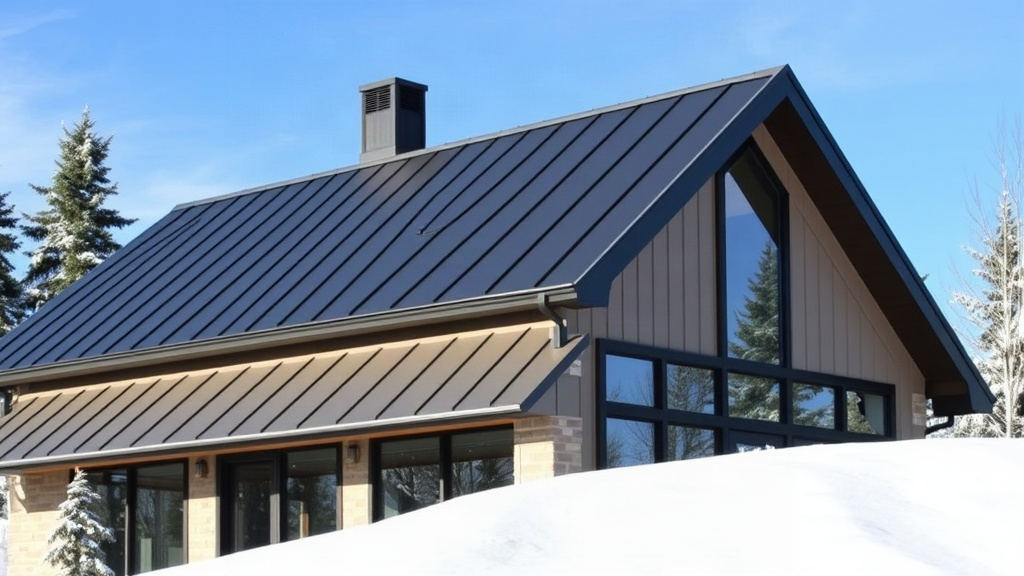
When it comes to protecting your building from Canada's harsh climate, the roof is your first line of defense. But not all roofs are created equal. Insulated roof panels have emerged as a game-changer for homeowners, builders, and architects seeking superior thermal performance and long-term durability. Whether you're constructing a new home, retrofitting an older structure, or designing a commercial facility, understanding the ins and outs of insulated roof panels can save you money, energy, and headaches down the road.
In this comprehensive guide, we'll dive deep into what insulated roof panels are, why they're particularly well-suited for the Canadian market, how to choose the right panels for your project, and best practices for installation and maintenance. By the end, you'll have the knowledge to make informed decisions and reap the rewards of a well-insulated roof.
What Are Insulated Roof Panels?
Insulated roof panels, also known as sandwich panels, are composite building materials consisting of two outer skins (usually metal) bonded to a rigid insulating core. The core is typically made of polyurethane (PUR), polyisocyanurate (PIR), expanded polystyrene (EPS), or mineral wool. This construction creates a strong, lightweight panel with excellent thermal insulation properties.
The panels are prefabricated in controlled factory conditions, ensuring consistent quality and precise dimensions. They come in various thicknesses, profiles, and finishes to suit different architectural styles and performance requirements. The metal skins can be coated with protective layers like polyester, PVDF, or plastisol to enhance weather resistance and aesthetics.
Why Insulated Roof Panels Are Ideal for Canadian Climates
Canada's climate is notoriously diverse, from the freezing Arctic temperatures of the north to the humid summers of the east coast. Insulated roof panels excel in all these conditions due to their high R-values and airtight construction. Here's why they're a smart choice for Canadian buildings:
- Superior Thermal Resistance: The insulating core provides R-values ranging from R-6 to R-8 per inch of thickness, significantly reducing heat loss in winter and heat gain in summer. This translates to lower energy bills and a more comfortable indoor environment.
- Moisture and Mold Resistance: The closed-cell structure of many insulation cores resists moisture absorption, preventing mold growth and structural deterioration. This is crucial in regions with high humidity or frequent freeze-thaw cycles.
- Snow Load Capacity: Insulated roof panels are engineered to withstand heavy snow loads, which is essential in snowbelt regions like Ontario, Quebec, and the Atlantic provinces. Their structural integrity ensures safety and longevity.
- Wind Resistance: The interlocking design and concealed fastening systems create a wind-tight seal, reducing the risk of uplift during storms. This is particularly important in coastal areas prone to high winds.
- Fire Performance: Many insulated panels are available with fire-resistant cores (e.g., mineral wool) that meet stringent Canadian building codes, providing an extra layer of safety.
Additionally, insulated roof panels contribute to sustainable building practices by reducing energy consumption and can help earn points toward LEED certification. Their long lifespan (often 30+ years) also reduces waste from roof replacements.
Types of Insulated Roof Panels
Not all insulated roof panels are the same. The choice of core material, thickness, and facing affects performance, cost, and application. Let's explore the most common types:
Polyurethane (PUR) and Polyisocyanurate (PIR) Panels
PUR and PIR panels offer the highest R-values per inch, making them ideal for applications where space is limited but high insulation is needed. PIR panels have improved fire performance compared to PUR. They are lightweight and easy to install, commonly used in residential and commercial roofing.
Expanded Polystyrene (EPS) Panels
EPS panels are cost-effective and provide good insulation, though with a lower R-value per inch than PUR/PIR. They are moisture-resistant and suitable for various roofing applications, especially where budget is a primary concern.
Mineral Wool Panels
Mineral wool core panels are non-combustible and offer excellent fire resistance, making them a top choice for high-risk buildings such as schools, hospitals, and industrial facilities. They also provide good acoustic insulation. However, they are heavier and more expensive than other options.
How to Choose the Right Insulated Roof Panels
Selecting the appropriate panels for your project involves several considerations. Here are key factors to evaluate:
- Climate and Building Codes: Check local building codes for minimum R-value requirements. In Canada, the National Building Code and provincial codes specify insulation levels based on climate zones. Ensure your chosen panels meet or exceed these standards.
- Structural Requirements: Assess the load-bearing capacity needed for snow, wind, and dead loads. Panel thickness and span capability must align with your building's design.
- Fire Safety: Determine the fire rating required for your building type. Mineral wool panels are often mandated for certain occupancies.
- Aesthetics and Finish: Choose from a variety of colors, profiles, and coatings to match your architectural vision. Consider factors like fade resistance and warranty.
- Budget: While insulated roof panels have a higher upfront cost than traditional roofing, their energy savings and durability often result in lower life-cycle costs. Balance initial investment with long-term benefits.
- Supplier Reputation: Work with a reputable manufacturer or supplier who can provide technical support, warranties, and certified performance data.
It's also wise to consult with a structural engineer or roofing professional to ensure your selection is appropriate for your specific project.
Installation Best Practices for Insulated Roof Panels
Proper installation is critical to achieving the performance and longevity of insulated roof panels. While it's best to hire experienced professionals, understanding the process helps you oversee the work. Here are essential steps and tips:
- Preparation: Ensure the roof structure is sound, level, and capable of supporting the panels. Install proper flashing and trim components before panel placement.
- Handling and Storage: Store panels in a dry, covered area and handle them carefully to avoid damage to the metal skins or insulation core.
- Panel Placement: Start from one end and work across, ensuring panels interlock tightly. Use spacers to maintain alignment and prevent scratching.
- Fastening: Use recommended fasteners with sealing washers, driving them through the panel's high ribs to allow for thermal movement. Avoid over-tightening, which can compress the insulation and reduce performance.
- Sealing and Flashing: Apply sealant at laps and around penetrations to maintain weathertightness. Install ridge caps, eave trim, and other accessories according to manufacturer guidelines.
- Safety: Follow all safety protocols, including fall protection, when working at heights.
After installation, inspect the roof for any gaps or loose fasteners and address them promptly.
Maintenance Tips to Extend the Life of Your Insulated Roof Panels
Insulated roof panels are low-maintenance, but a little care goes a long way. Here's how to keep them in top shape:
- Regular Inspections: Check for damage, loose fasteners, or sealant deterioration at least twice a year and after severe weather events.
- Cleaning: Remove debris, leaves, and dirt with a soft brush or low-pressure washer. Avoid abrasive cleaners that can scratch the coating.
- Repairs: Address minor scratches with touch-up paint to prevent corrosion. Replace damaged panels promptly to avoid water infiltration.
- Snow Removal: While panels are designed for snow loads, excessive accumulation can stress the structure. Use a roof rake to safely remove snow without damaging the surface.
- Professional Check-ups: Consider hiring a roofing professional every few years for a thorough inspection and maintenance.
By following these practices, your insulated roof panels can last decades, providing reliable protection and energy efficiency.
Frequently Asked Questions About Insulated Roof Panels
How do insulated roof panels compare to traditional roofing in terms of cost?
Insulated roof panels typically have a higher upfront cost than traditional asphalt shingles or metal roofing without insulation. However, they offer significant energy savings, require less structural support, and have a longer lifespan, often making them more cost-effective over the life of the building. For example, a building with insulated panels may see energy savings of 20-30% compared to a poorly insulated roof, offsetting the initial investment within a few years.
Can insulated roof panels be installed over an existing roof?
Yes, in many cases, insulated roof panels can be installed over an existing roof, provided the structure can handle the additional weight and the existing roof is in good condition. This can be a cost-effective retrofit solution, but it's essential to consult a structural engineer and roofing professional to assess feasibility. Often, a tear-off is recommended to inspect the deck and ensure proper installation.
What is the typical lifespan of insulated roof panels?
With proper installation and maintenance, insulated roof panels can last 30 to 50 years or more. The metal skins are often warranted for 20-40 years, while the insulation core retains its thermal performance for the life of the building. Factors like climate, maintenance, and quality of materials affect longevity.
Are insulated roof panels environmentally friendly?
Yes, insulated roof panels contribute to sustainability in several ways. They reduce energy consumption for heating and cooling, lowering greenhouse gas emissions. Many panels are made with recycled content and are themselves recyclable at the end of their life. Additionally, their durability reduces the need for frequent replacements, conserving resources.
Do insulated roof panels require special fasteners?
Yes, insulated roof panels require specific fasteners designed to accommodate thermal movement and provide a watertight seal. Typically, self-drilling screws with bonded neoprene washers are used. It's crucial to follow the manufacturer's recommendations for fastener type, size, and spacing to ensure performance and warranty compliance.
Choosing the right roofing solution for your Canadian building is a significant decision. Insulated roof panels offer a compelling combination of energy efficiency, durability, and design flexibility. By understanding your options and following best practices, you can enjoy a comfortable, sustainable, and resilient building for years to come.