
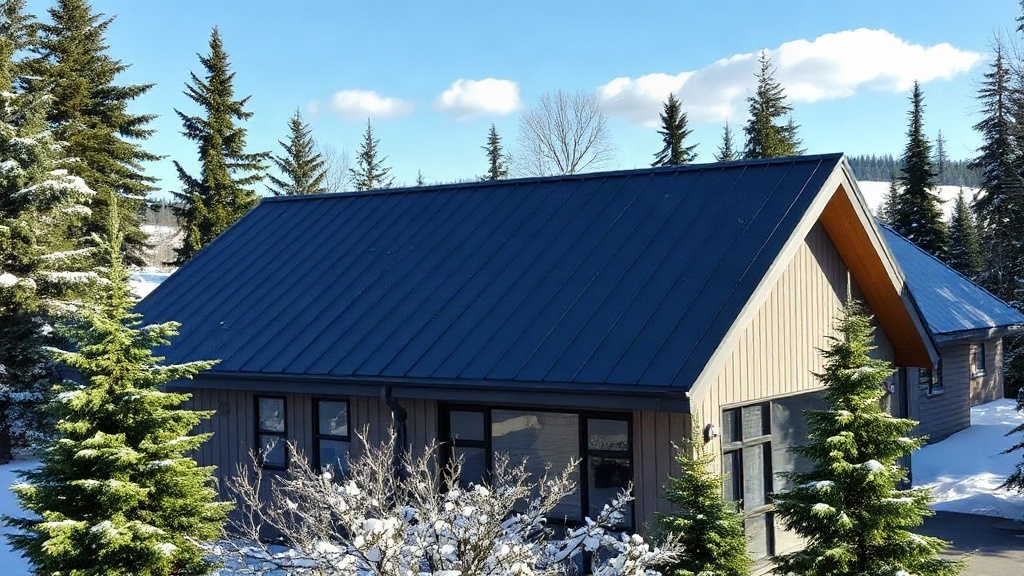
When it comes to roofing in Canada, the challenges are unique: harsh winters, heavy snow loads, and temperature swings that can test any building material. That's why more builders and homeowners are turning to Insulated Roof Panels as a modern solution that addresses these challenges head-on. Unlike traditional roofing systems that rely on separate insulation and weatherproofing layers, insulated roof panels combine structural strength, thermal performance, and weather resistance in a single, factory-engineered product. If you're planning a new build or retrofit, understanding what these panels offer can save you money, time, and future headaches.
What Are Insulated Roof Panels?
Insulated roof panels, often referred to as sandwich panels, consist of two rigid facings (typically metal) bonded to a core of insulating foam. The core is usually polyurethane (PUR), polyisocyanurate (PIR), or expanded polystyrene (EPS). This composite construction delivers high thermal resistance (R-value) while keeping the panel lightweight and strong. The panels are prefabricated in controlled factory conditions, ensuring consistent quality and precise dimensions. They come in various thicknesses and profiles to suit different applications, from residential homes to commercial warehouses and agricultural buildings.
Why Choose Insulated Roof Panels for Canadian Climates?
Canada's climate is notoriously tough on buildings. Insulated roof panels are engineered to perform under extreme conditions. Here's why they stand out:
Superior Thermal Performance
The foam core in insulated roof panels provides excellent insulation, significantly reducing heat loss in winter and heat gain in summer. This translates to lower energy bills and a more comfortable indoor environment. For example, a 100mm thick PIR panel can achieve an R-value of around R-20, outperforming many traditional insulation materials of similar thickness.
Exceptional Durability
The metal facings are typically made of steel or aluminum with protective coatings that resist corrosion, UV radiation, and moisture. This makes insulated roof panels ideal for areas with heavy snowfall, as they can support significant loads without sagging or deteriorating. Additionally, the panels are designed to interlock tightly, creating a weather-tight seal that prevents water infiltration and drafts.
Fast and Efficient Installation
Because insulated roof panels are prefabricated, they arrive on site ready to install. This reduces construction time and labor costs compared to traditional roofing, which requires separate steps for sheathing, insulation, and waterproofing. The panels are lightweight, so they can be installed quickly with minimal heavy equipment. Many contractors appreciate the simplicity of installation, which can be a game-changer for projects with tight deadlines.
Design Flexibility and Aesthetics
Insulated roof panels come in a variety of colors, profiles, and finishes, allowing for architectural versatility. Whether you want a sleek modern look or a more traditional appearance, you can find panels that match your design vision. The clean lines and smooth surfaces also contribute to a professional, finished look.
Applications of Insulated Roof Panels
These panels are used in a wide range of building types across Canada:
- Residential homes: Increasingly popular for new builds and renovations, especially in energy-efficient homes.
- Commercial and industrial buildings: Warehouses, factories, and retail spaces benefit from the quick installation and low maintenance.
- Agricultural buildings: Barns, stables, and storage facilities require durable, weather-resistant roofing.
- Cold storage facilities: The high insulation value is critical for maintaining temperature-controlled environments.
- Modular and prefab structures: The lightweight nature of the panels makes them ideal for off-site construction.
Key Considerations When Choosing Insulated Roof Panels
Not all insulated roof panels are created equal. Here are factors to evaluate:
Core Material and Thickness
The type and thickness of the foam core determine the panel's R-value. PIR offers better fire performance and higher R-value per inch compared to EPS. For Canadian winters, a thicker panel (e.g., 100mm to 150mm) is often recommended to meet energy codes and ensure comfort.
Facings and Coatings
The metal facings should have a protective coating to withstand corrosion. Common options include Galvalume, polyester, and PVDF coatings. For coastal areas, a higher corrosion resistance is advisable. Also, consider the panel's fire rating; some facings come with fire-retardant properties.
Panel Profile and Joint Design
The profile affects both aesthetics and performance. Standing seam profiles offer excellent weathertightness, while ribbed profiles provide added strength. The joint design, such as tongue-and-groove or hidden clip systems, impacts installation speed and thermal bridging.
Supplier and Warranty
Choose a reputable supplier like Sandwich Panels Canada that offers comprehensive warranties and technical support. A good warranty covers delamination, coating performance, and structural integrity, giving you peace of mind.
Installation Tips for Insulated Roof Panels
Proper installation is key to maximizing the benefits of insulated roof panels. Here are some practical tips:
- Plan the layout: Measure your roof and order panels cut to size to minimize waste and on-site cutting.
- Ensure proper support: The panels need adequate purlin spacing to handle snow loads. Consult an engineer for your specific region.
- Handle with care: Although durable, the panels can be damaged if dropped or dragged. Use lifting equipment and follow manufacturer guidelines.
- Seal joints and penetrations: Use recommended sealants and flashing to prevent leaks. Pay attention to areas around vents, chimneys, and skylights.
- Consider thermal expansion: Metal panels expand and contract with temperature changes. Allow for movement at fixings and joints to avoid stress.
- Safety first: Working on roofs can be dangerous. Ensure proper fall protection and follow safety regulations.
For complex projects, hiring experienced installers is wise. They can ensure the panels are installed correctly, preserving the warranty and performance.
Frequently Asked Questions About Insulated Roof Panels
How do insulated roof panels compare to traditional roofing in terms of cost?
While the upfront cost of insulated roof panels may be higher than traditional shingles and separate insulation, the long-term savings often outweigh the initial investment. Reduced energy bills, lower maintenance, and faster installation can lead to significant savings over the life of the roof. Additionally, many Canadian provinces offer incentives for energy-efficient upgrades, further offsetting costs.
Can insulated roof panels be installed over an existing roof?
Yes, in many cases, insulated roof panels can be installed over an existing roof structure, provided it is structurally sound. This can be a cost-effective way to improve insulation and weatherproofing without a complete tear-off. However, it's essential to consult a professional to assess the existing roof's condition and ensure proper ventilation.
What is the typical lifespan of insulated roof panels?
With proper installation and maintenance, insulated roof panels can last 30 to 50 years or more. The metal facings are highly durable, and the foam core does not degrade easily when protected from moisture. Regular inspections and minor repairs can extend the lifespan further.
Are insulated roof panels suitable for residential homes?
Absolutely. They are increasingly used in residential construction, especially for modern, energy-efficient homes. They offer a clean, contemporary look and can be customized with various colors and profiles. Homeowners appreciate the comfort and lower utility bills that come with superior insulation.
How do insulated roof panels handle snow and ice buildup?
The smooth surface of the panels allows snow to slide off more easily than rough surfaces like asphalt shingles. This reduces the risk of ice dams and structural overload. However, in areas with extreme snowfall, proper roof design and snow guards may be necessary to manage snow shedding safely.
Making the Right Choice for Your Canadian Building
Insulated roof panels are more than just a roofing material; they are a smart investment in your building's future. With their exceptional thermal performance, durability, and ease of installation, they are well-suited to Canada's demanding climate. By choosing the right panels and ensuring proper installation, you can enjoy a comfortable, energy-efficient, and long-lasting roof. If you're ready to explore your options, reach out to a trusted supplier like Sandwich Panels Canada to discuss your project and get expert advice tailored to your needs.