
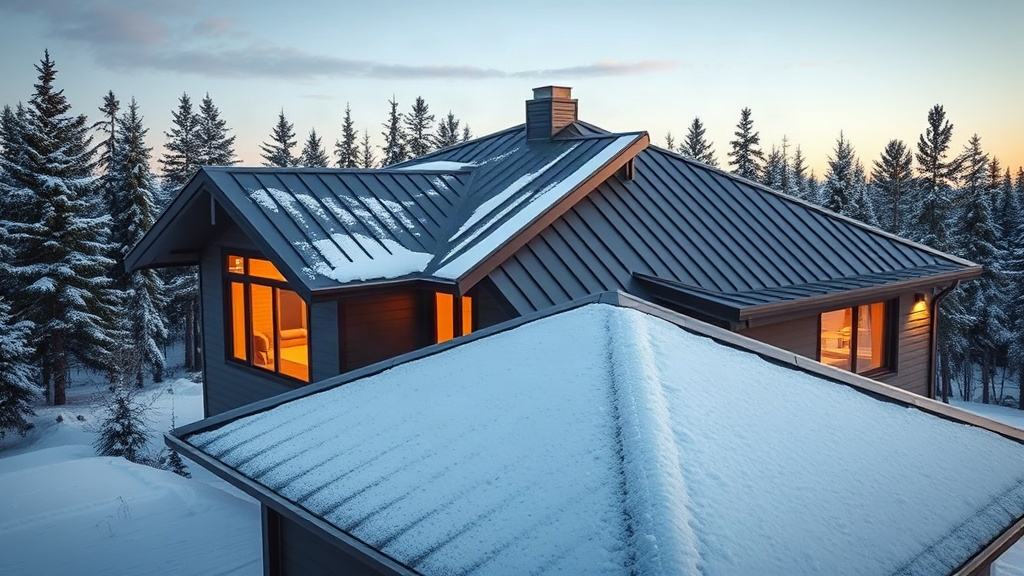
When it comes to roofing in Canada, the stakes are high. From heavy snow loads to temperature swings that can crack lesser materials, your roof has to do more than just keep the rain out. It needs to insulate, support, and last. That's where insulated roof panels come in. These engineered systems are changing how builders and homeowners approach roofing, offering a combination of thermal performance and structural integrity that traditional roofs struggle to match. If you're planning a new build or retrofit, understanding what these panels bring to the table could save you money and headaches for decades.
What Are Insulated Roof Panels?
Insulated roof panels are composite building components made of an insulating foam core sandwiched between two rigid facings, typically metal. The core is usually polyurethane, polyisocyanurate, or expanded polystyrene, chosen for its high R-value and lightweight properties. The facings can be steel, aluminum, or even specialized membranes, but in most Canadian applications, you'll see painted steel for its durability and weather resistance. These panels are prefabricated in controlled factory conditions, ensuring consistent thickness and insulation performance. They come in various profiles, from flat to corrugated, and can be customized for length, color, and thickness to suit specific project needs.
Why Insulated Roof Panels Excel in Canadian Climates
Canada's climate is a brutal testing ground for any building product. Insulated roof panels are designed to handle it. Their continuous insulation eliminates thermal bridging, a common problem in traditional roofs where wood or metal framing conducts heat out of the building. This means your heating system doesn't have to work as hard, and your energy bills stay lower. The panels also resist moisture infiltration, thanks to sealed joints and non-porous surfaces. In winter, they prevent ice damming by keeping the roof deck warm, which reduces the risk of ice buildup at the eaves. And when summer hits, the reflective coatings on many panels bounce solar heat away, keeping your interior cooler.
Key Benefits of Insulated Roof Panels
Switching to insulated roof panels isn't just about energy savings. Here's what you gain:
- Superior energy efficiency: With R-values ranging from R-15 to R-40 or more, these panels drastically reduce heat transfer. You'll see lower utility bills and a smaller carbon footprint.
- Fast installation: Panels arrive ready to install, often spanning large areas quickly. This cuts labor costs and project timelines, which is a big deal in Canada's short construction season.
- Durability: The metal facings resist rust, UV damage, and impact. They won't warp, crack, or rot like wood or asphalt.
- Low maintenance: A simple wash a couple of times a year keeps them looking new. No shingles to replace or sealants to reapply.
- Design flexibility: Available in a range of colors and profiles, they can mimic traditional roofing or make a modern statement.
How Insulated Roof Panels Compare to Traditional Roofing
Traditional roofs typically consist of shingles, underlayment, and insulation batts laid between rafters. This approach has several weaknesses. Insulation batts leave gaps and allow air movement, reducing effectiveness. Shingles degrade under UV and freeze-thaw cycles. And the whole system is labor-intensive to install. Insulated roof panels, by contrast, are a single, integrated solution. They provide insulation, weatherproofing, and structure in one step. The factory-applied insulation is uniform, with no gaps or compression. The metal skin is highly resistant to the elements. And because panels are lightweight, they can often be installed over existing roofs, saving on disposal costs and structural upgrades.
Choosing the Right Insulated Roof Panels for Your Project
Not all panels are created equal. When selecting insulated roof panels, consider these factors:
- R-value: Determine the insulation level needed for your climate zone. Canadian building codes specify minimum R-values for roofs, but higher is often better for energy savings.
- Thickness: Panel thickness affects R-value and span capability. Thicker panels are stronger but heavier and more expensive.
- Material: Steel is the most common facing due to its strength and cost. Aluminum is lighter and more corrosion-resistant, ideal for coastal areas.
- Profile: The shape of the panel affects aesthetics and water drainage. Standing seam profiles offer superior leak protection.
- Warranty: Look for panels with long warranties on finish and insulation performance. A reputable manufacturer will stand behind their product.
Installation Tips for Canadian Conditions
Proper installation is critical to get the most out of insulated roof panels. Here are some best practices:
- Plan for snow loads: Canadian roofs must support heavy snow. Ensure your panel span and support structure are engineered accordingly.
- Use proper fasteners: Stainless steel or coated screws with neoprene washers prevent leaks and corrosion.
- Seal joints: Apply high-quality sealant at laps and penetrations to keep moisture out.
- Allow for thermal movement: Panels expand and contract with temperature changes. Use slotted holes or clips to accommodate movement without stressing the panels.
- Ventilate if needed: While panels are impermeable, some designs require ventilation to prevent condensation. Follow manufacturer guidelines.
Common Applications of Insulated Roof Panels
These panels are versatile and used in a wide range of buildings. In residential construction, they're popular for sunrooms, garages, and even entire homes. In commercial and industrial settings, they roof warehouses, factories, cold storage facilities, and agricultural buildings. They're also a top choice for recreational structures like cottages and chalets, where energy efficiency and low maintenance are prized. Because they can be installed quickly, they're ideal for projects with tight deadlines or remote locations where labor is scarce.
Frequently Asked Questions
How long do insulated roof panels last?
With proper installation and minimal maintenance, insulated roof panels can last 30 to 50 years or more. The metal facings are highly durable, and the foam core doesn't degrade. Warranties often cover 20 to 30 years.
Can insulated roof panels be installed over an existing roof?
Yes, in many cases. Because they're lightweight, they can often be installed directly over old shingles or metal, saving time and disposal costs. However, consult a structural engineer to ensure your framing can handle the added weight.
Are insulated roof panels energy-efficient enough for Canadian winters?
Absolutely. Their high R-values and continuous insulation make them one of the most energy-efficient roofing options available. They minimize heat loss and prevent ice damming, keeping your home warm and dry.
Do insulated roof panels require maintenance?
Very little. Regular cleaning to remove debris and occasional inspection of seals and fasteners is usually all that's needed. Unlike shingles, they don't need replacement every 15-20 years.
What is the cost of insulated roof panels compared to traditional roofing?
The upfront cost can be higher than asphalt shingles, but when you factor in energy savings, longevity, and reduced maintenance, they often cost less over the life of the building. For exact pricing, request a quote from a supplier.
If you're ready to upgrade your building with insulated roof panels, visit Sandwich Panels Canada to explore your options and get expert advice tailored to your project.